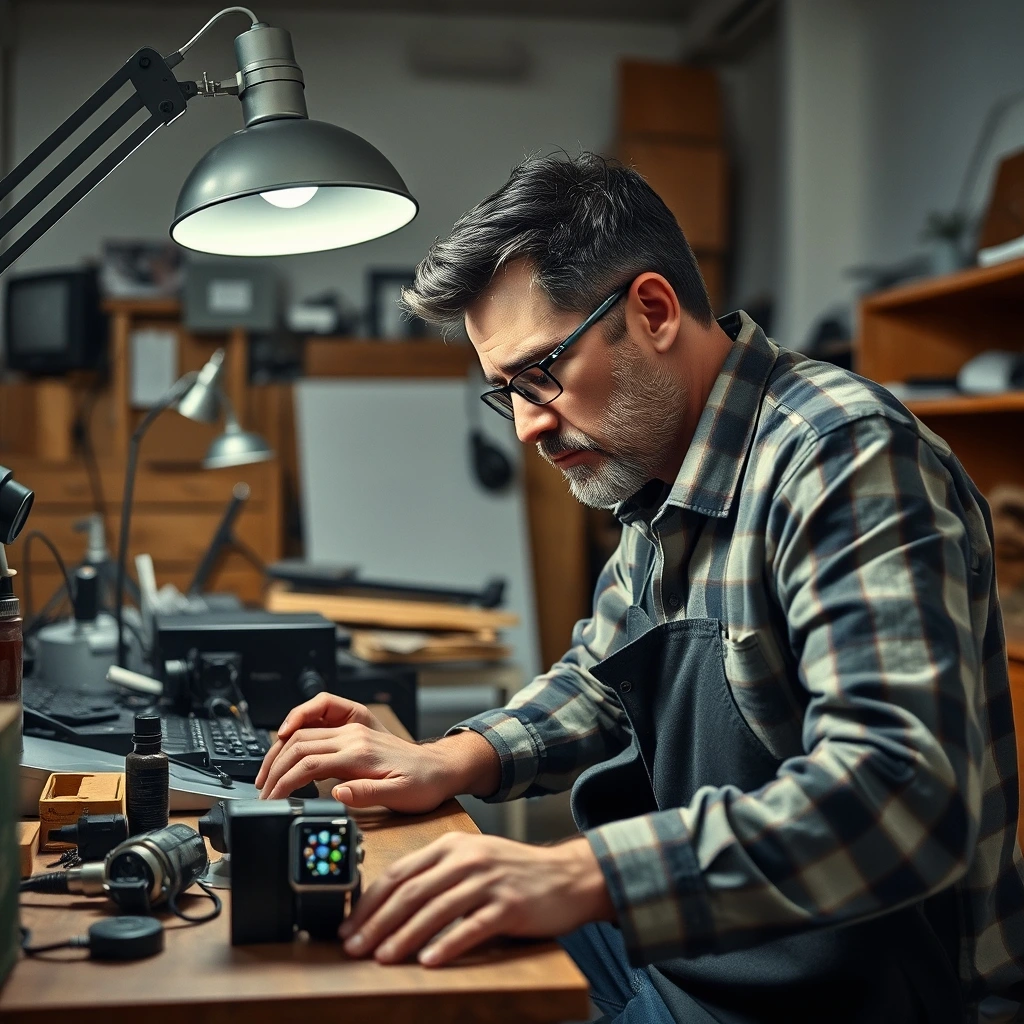
- Point 1: Apple Watch beta testing introduces background conversational audio capture and smart recapping directly on the wrist.
- Point 2: Processing relies heavily on local silicon capabilities, raising critical questions about battery longevity and storage limits.
- Point 3: Social and legal friction around non-consensual recording will likely challenge adoption more than technical hurdles.
Let us be candid: strapping a continuous audio recorder to your wrist feels less like a productivity upgrade and more like a sci-fi thriller premise. Yet, here we are. Apple has officially pushed the first wave of beta builds containing conversational recap tools to developer wrists. If you missed a crucial deadline mentioned during a noisy hallway chat, your watch claims it can save the day. But at what cost to spontaneous human interaction?
The Mechanics of Wrist-Level Recall
For years, smartphones played catch-up with audio transcription. Now, the wrist takes center stage. Apple's new software build introduces a persistent listening loop designed to capture spoken exchanges, index them via on-device machine learning, and spit out bulleted summaries within seconds.
The engineering challenge here is immense. Unlike a desktop microphone sitting quietly on a conference table, an Apple Watch contends with constant movement, rustling jacket sleeves, heavy wind noise, and unpredictable vocal distances. To make this work, Cupertino had to build highly aggressive noise-filtering algorithms that separate background street chatter from actual human dialogue.
- Continuous Buffer: The device maintains a rolling short-term audio buffer before committing anything to permanent storage.
- Contextual Tagging: Machine learning models identify speaker shifts and emotional inflections to segment the transcript logically.
- Local Summarization: Key action items are extracted without sending raw audio packets to remote server farms, preserving baseline user privacy.
Yet, holding a device this close to your pulse all day brings new constraints. Thermal throttling during heavy audio processing loops remains a glaring issue for early testers.
The Social Friction Nobody Is Talking About
Technology often outpaces etiquette. When glass rectangles first entered boardrooms, pulling out a phone mid-conversation signaled boredom. Now, glancing down at a blinking wrist indicator that says "recording your buddy's confidential confession" changes the psychological dynamics of conversation entirely.
Trust is fragile. If people suspect their casual weekend banter or venting sessions are being neatly packaged into a searchable database by a wearable operating system, social circles will adapt. People will leave devices in cars, flip phones face down, or simply refuse meetings with tech-heavy enthusiasts.
| Aspect | Traditional Approach | Modern Solution |
|---|---|---|
| Audio Capture | Manual voice memo apps | Always-on background listening buffer |
| Transcription | Cloud-based batch uploading | On-device real-time neural processing |
| Retrieval | Listening to long audio files | AI-generated bulleted conversational recaps |
Battery Life: The Silent Killer of Smart Features
Let's address the hardware elephant in the room. Apple Watch battery life has always hovered near a pragmatic twenty-four-hour ceiling. Running continuous local machine learning inference to parse, segment, and summarize human speech patterns chews through silicon cycles at an alarming rate.
If you are testing this build, toggle the audio rewind feature strictly for designated meetings rather than leaving it active all day. Otherwise, expect to hunt for your magnetic charger by mid-afternoon.
Developers working with the beta code report noticeable thermal warmth against the skin during extended transcription sessions. Apple must optimize energy consumption significantly before this feature graduates to a public stable release, or risk user revolt over dying batteries.
Where Do We Draw the Privacy Line?
Privacy advocates are already sounding alarm bells. While Apple touts end-to-end encryption and on-device processing as the ultimate shield, the mere existence of a device capable of recalling every spoken word creates unprecedented legal exposure. Subpoenas for wearable audio logs in civil and criminal litigation are no longer a distant theoretical threat; they are an incoming reality.
- Data Persistence: How long do encrypted temporary snippets remain in flash memory before being overwritten?
- Consent Laws: Single-party versus two-party recording consent laws vary wildly by state and country, putting the legal burden entirely on the user.
- Accidental Captures: Private medical discussions or financial disclosures overheard in public spaces get logged automatically unless manually scrubbed.
The boundary between convenience and surveillance continues to blur, forcing users to act as their own compliance officers.
Frequently Asked Questions
Can other people in the room tell when my watch is recording?
Apple includes a subtle visual indicator on the watch face, but in bright sunlight or crowded rooms, it is easily missed. There is currently no mandatory audio chime or external hardware light, which remains a major point of contention.
What happens to my transcripts if I lose my watch?
If local encryption keys are tied strictly to your biometric passcode and Secure Enclave, unauthorized data extraction is extremely difficult. However, synced summaries may propagate across your iCloud ecosystem depending on your backup settings.