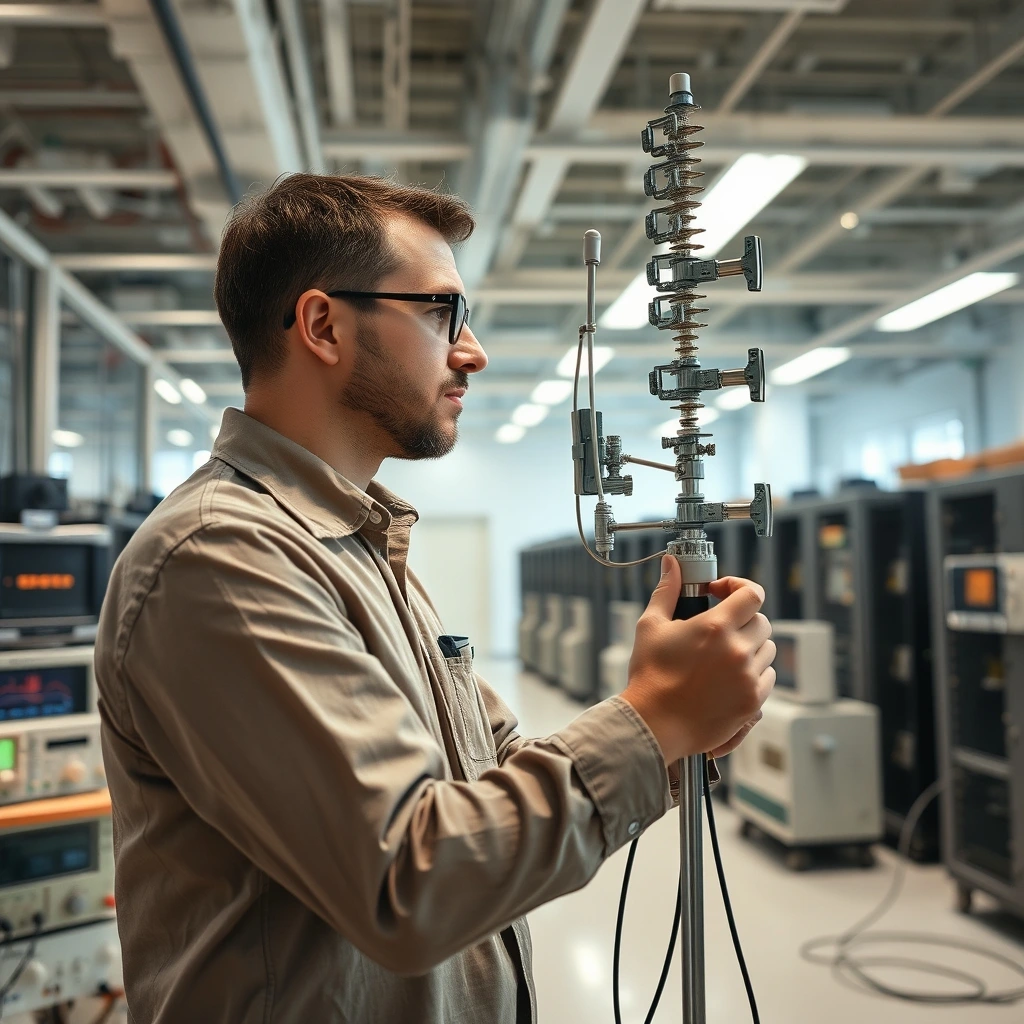
- Point 1: Terahertz frequencies will transform how networks handle massive data loads, but propagation limits remain a massive engineering roadblock.
- Point 2: Artificial intelligence shifts from a backend analytics tool to the core operational operating system of the infrastructure.
- Point 3: Infrastructure spending priorities are pivoting away from simple consumer speed boosts toward industrial-grade sensing and low-latency critical control.
Let us be completely candid: 5G did not fix your dropped calls in the basement. Yet, boardrooms are already pouring billions into the next generation. Why? Because the race for 6G is not about downloading movies in two seconds. It is about total industrial automation, holographic communication, and keeping national infrastructure competitive.
The Terahertz Trap
Here is what nobody tells you about the leap into higher frequencies. As carriers push past millimeter waves into the terahertz spectrum, data capacity skyrockets. But physics fights back.
Terahertz waves degrade if a leaf blows across their path. Buildings block them. Rain kills the signal entirely. Solving this requires dense webs of smart repeaters and active surfaces that bounce signals around corners.
- Massive bandwidth comes at the steep price of extreme signal attenuation.
- Deploying base stations requires re-architecting urban street furniture on every block.
- Energy consumption per gigabit must drop drastically to keep operating costs from bankrupting operators.
Intelligence Baked Into the Silicon
Traditional networks rely on rigid routing rules written by tired human engineers. That approach breaks down when millions of connected sensors demand split-second resource allocation. 6G shifts the paradigm by embedding machine learning directly into the network edge.
| Aspect | Traditional Approach | Modern Solution |
|---|---|---|
| Network Routing | Static rules and manual updates | Autonomous, AI-driven predictive paths |
| Energy Management | Constant high-power broadcast | Dynamic beamforming based on exact user location |
| Spectrum Usage | Licensed rigid blocks | Shared, automated cognitive radio access |
Sensing and Communication Collide
For decades, radar and cellular networks lived in separate silos. The upcoming infrastructure merges them into a single dual-use architecture. Towers will not just push packets; they will map physical environments in real time.
This means your local cell tower doubles as a radar system tracking weather patterns, traffic flow, and urban movement without needing cameras. Privacy advocates are raising alarm bells, and rightfully so. The line between data transmission and blanket surveillance is blurring faster than regulators can draft policies.
Do not buy into proprietary 6G hardware claims made by equipment vendors today. Most standards are still being debated in global forums. Focus instead on software-defined networking architectures that can upgrade via firmware later.
The Energy Paradox
Running a hyper-dense network takes immense power. If operators run next-generation infrastructure the way they ran 4G, carbon footprints will surge out of control. Designing low-consumption hardware is no longer a corporate social responsibility talking point. It is an operational survival metric.
- Power amplifiers must achieve unprecedented efficiency ratings.
- Solar and kinetic micro-generation will power remote edge nodes.
- Sleep modes must activate in microseconds when traffic drops.
Frequently Asked Questions
When will real 6G networks actually launch?
Commercial rollouts will not happen until the early 2030s. Right now, the industry is locked in the standards-definition and basic hardware research phase.
Will my current phone work on a 6G network?
Not a chance. The jump to terahertz frequencies and integrated sensing requires entirely new silicon chipsets and antenna arrays.