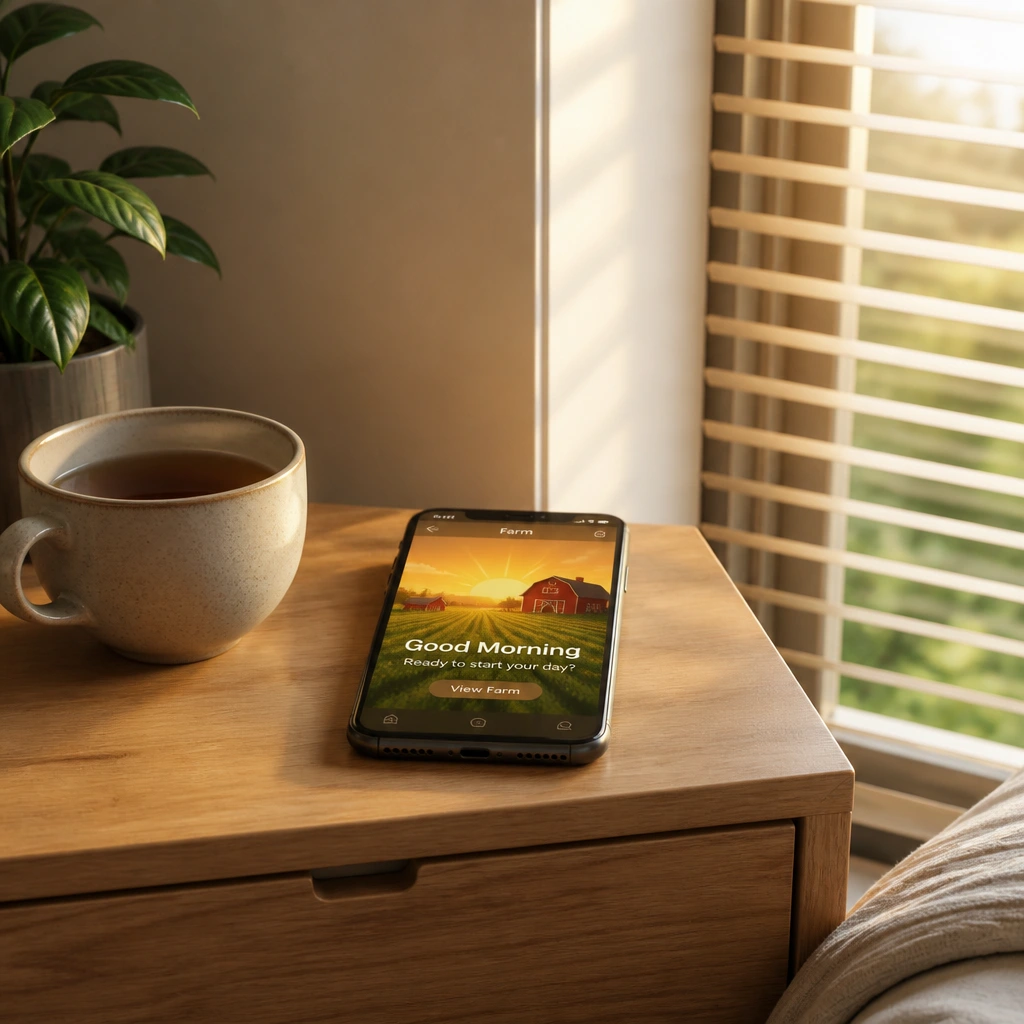
In an era dominated by synthetic notification chimes, repetitive synthesizer arpeggios, and jarring digital sirens, modern smartphones often awaken users through acoustic shock rather than natural transition. Clucky, a digital lifestyle and wellness startup, aims to disrupt the sleep technology market with its dedicated alarm application centered around an ancient wakefulness archetype: the crowing rooster. By blending bio-acoustic engineering with progressive alarm dynamics, the newly launched Clucky app challenges how consumers start their mornings.
The Science Behind the Crow: Acoustic Wakefulness vs. Digital Chimes
Sleep inertia—the transitional period of grogginess and reduced cognitive performance experienced immediately upon waking—can persist anywhere from several minutes to hours. Medical studies have long suggested that the frequency profile, tempo, and melodic predictability of an alarm significantly influence this state. Traditional alarms typically emit square-wave or harsh sine-wave tones designed to induce acute stress, rapidly elevating cortisol levels to force consciousness.
In contrast, a rooster’s crow operates across a unique, complex frequency range typically varying between 1.5 kHz and 4 kHz. This auditory spectrum naturally pierces human auditory thresholds without triggering excessive fight-or-flight panic. Clucky leverages this evolutionary characteristic by utilizing pristine, high-fidelity field recordings of multiple heritage breeds across diverse rural settings.
"Human audio processing evolved in outdoor, natural environments long before the invention of electric frequency buzzers. By mimicking the acoustic signatures of farm environments, Clucky provides a biological cue that alerts the brain with less autonomic friction."
Key Architectural Features of the Clucky Application
While the concept may initially evoke whimsical novelty, Clucky is built on a robust software architecture designed to satisfy power users and deep sleepers alike. The application incorporates several proprietary algorithms and behavioral features:
- Adaptive Acoustic Ramping: The app does not blast a full-amplitude crow immediately. Instead, it initiates playback with distant, low-amplitude ambient farm rustlings, gradually moving toward an authentic rooster crow across a user-defined window (ranging from 1 to 15 minutes).
- Randomized Heritage Audio Profiles: Alarm fatigue occurs when the brain habituates to a predictable acoustic pattern, eventually ignoring it. Clucky continuously cycles through more than fifty distinct rooster breeds—including Rhode Island Reds, Leghorns, and Brahma roosters—ensuring no two consecutive mornings sound identical.
- Dynamic Environmental Harmonics: To ensure a holistic acoustic palette, crows are paired with subtle sunrise soundscapes, such as wind moving through pastures, distant morning birds, and gentle rustling leaves.
- Interactive Disarming Puzzles: For heavy sleepers prone to involuntary snooze-tapping, Clucky integrates lightweight cognitive challenges, such as sorting virtual eggs or matching sound profiles, to confirm full executive function before silencing the audio.
Combating the Alarm Habituation Phenomenon
One of the most persistent hurdles in modern chronobiology and sleep tracking is alarm habituation. When an individual wakes up to the identical acoustic sequence every morning, neural pathways reclassify the signal as ambient background noise. As a result, users progressively sleep through their alarms or instinctively reach out to hit the snooze button while remaining half-asleep.
Clucky tackles this issue by deploying behavioral randomization. The app’s underlying engine alternates the timing, cadence, and vocal intensity of the morning crow. On one morning, users might hear a quick, sharp cadence; the next, a resonant, sustained crow accompanied by soft wind. By preventing sensory prediction, the application preserves long-term awakeness efficacy without requiring higher decibel outputs that disturb partners or neighbors.
"Our primary goal was preventing the dreaded 'alarm tune dread.' By continually varying the acoustic stimuli, users maintain a healthier psychological relationship with their morning alerts."
Hardware Optimization and Local Audio Processing
From an engineering perspective, Clucky prioritizes power conservation and user data privacy. The entire library of high-resolution, uncompressed audio stems resides locally on the user’s device, completely eliminating dependency on cloud connectivity or active Wi-Fi during the early morning hours. Even if a smartphone enters airplane mode or experiences network dropouts, the system executes reliably.
Additionally, the developers have engineered custom equalization curves tuned specifically for miniature smartphone transducer speakers. Tiny phone speakers often distort high-frequency chirps or lose mid-range vocal depth. Clucky applies dynamic range compression and low-end frequency optimization to ensure the audio remains crisp, warm, and natural through both premium flagships and entry-level mobile devices.
The Broader Impact on Sleep Hygiene
Clucky enters a digital health landscape increasingly fascinated by sleep architecture, sleep tracking rings, and smart mattresses. While hardware tracking monitors cycles, the point of awakening remains the most tangible, critical touchpoint of the entire sleep routine. A disjointed awakening can cascade into morning fatigue, reduced focus, and increased reliance on high caffeine consumption early in the day.
By transforming an irritating daily necessity into an organic, slightly charming, yet functionally effective experience, Clucky demonstrates that consumer software innovation does not always require complex artificial intelligence or dense spreadsheets. Sometimes, returning to the fundamentals of biological evolution and natural soundscapes yields the most refreshing upgrade to daily digital living.