The Evolution of Modern Data Ecosystems
In the contemporary digital economy, data is frequently heralded as the new currency, yet raw data in isolation holds virtually no intrinsic value. It is only when structured, cleansed, and routed through sophisticated data engineering pipelines that information transforms into a strategic asset. Modern organizations face an unprecedented deluge of incoming data streams, originating from Internet of Things (IoT) sensors, transactional databases, user interaction logs, and external third-party APIs. Managing this deluge requires an architectural paradigm shift away from legacy, monolithic on-premise systems toward agile, distributed, and highly scalable cloud environments.
Data engineering acts as the critical bridge connecting raw data generation with advanced analytical consumption. Without well-architected pipelines, data lakes quickly devolve into chaotic data swamps characterized by poor governance, high latency, and compromised data integrity. As enterprises increasingly rely on real-time analytics and machine learning models, the demand for resilient data infrastructure has never been more urgent. Engineers must design systems that can gracefully handle fluctuating workloads, schema evolution, and hardware failures without missing a beat.
- Elimination of data silos through centralized ingestion mechanisms
- Enforcement of strict schema validation and data quality checks
- Optimization of data storage formats for downstream analytics
- Reduction of operational friction between engineering and business units
Anatomy of High-Scale Cloud Architectures
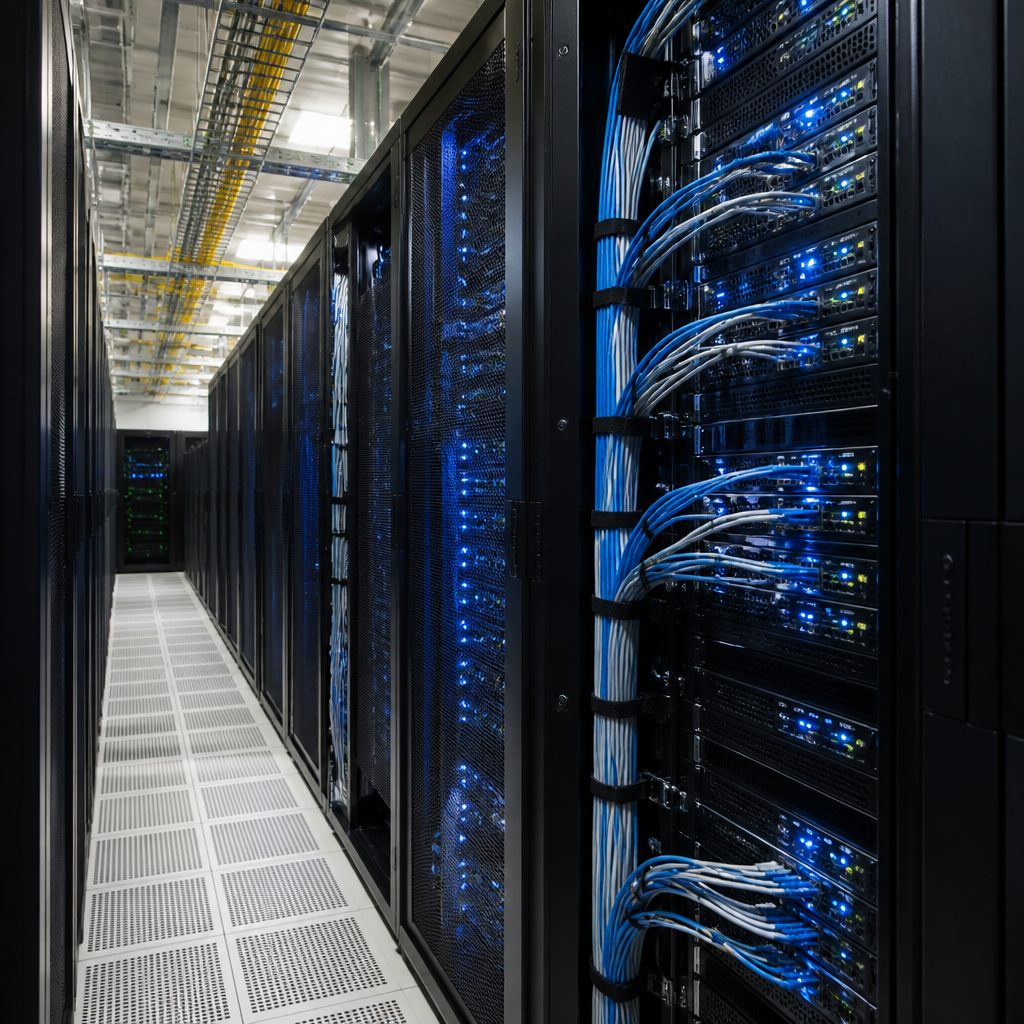
High-scale cloud architectures serve as the foundational bedrock upon which modern data pipelines operate. Leveraging cloud-native services allows organizations to decouple storage and compute resources, scaling each independently to meet dynamic business demands. This elasticity is paramount; modern industries cannot afford the capital expenditure and rigidity associated with provisioning physical servers for peak seasonal workloads that remain underutilized for the remainder of the year.
Distributed computing frameworks such as Apache Spark, coupled with managed cloud orchestration tools like Kubernetes and Airflow, enable data teams to process petabytes of information with unprecedented speed. Furthermore, modern data warehouses and lakehouse architectures combine the ACID compliance of traditional databases with the scalability of object storage. This synergy empowers data scientists, business analysts, and automated algorithms to query vast historical archives and streaming data sources concurrently, minimizing latency and accelerating time-to-insight.
The true measure of a cloud architecture is not how it performs during optimal conditions, but how gracefully it adapts, scales, and self-heals during unexpected traffic surges and infrastructure failures.
Stream Processing Versus Batch Processing Paradigms
A central debate in data engineering architecture involves the strategic trade-offs between batch processing and real-time stream processing. Historically, batch processing—exemplified by nightly ETL (Extract, Transform, Load) jobs—was sufficient for backward-looking business intelligence reports. However, the expectations of modern consumers and automated systems demand instant feedback loops, rendering batch-only architectures obsolete in numerous high-stakes domains.
Real-time streaming frameworks, including Apache Kafka and Apache Flink, allow organizations to ingest, process, and analyze data fractions of a millisecond after generation. This capability is vital for use cases such as fraud detection in financial transactions, dynamic pricing models in e-commerce, and predictive maintenance in industrial manufacturing. Nevertheless, stream processing introduces inherent complexities regarding state management, exactly-once processing guarantees, and infrastructure cost management. Consequently, modern enterprise architectures frequently adopt a hybrid approach—often referred to the Lambda or Kappa architecture—which harmonizes the speed of streaming with the robust historical accuracy of batch computing.
- Immediate threat detection and response capabilities via stream analytics
- Cost-effective historical trend analysis utilizing scheduled batch jobs
- Seamless integration of event-driven microservices architectures
- Complex state management and deduplication across distributed nodes
Data Governance, Security, and Compliance at Scale
As data pipelines scale across multi-cloud and hybrid environments, maintaining stringent data governance and security protocols becomes an escalating challenge. Regulatory frameworks such as GDPR, CCPA, and industry-specific mandates enforce severe penalties for data breaches and non-compliance. Data engineering pipelines must therefore incorporate security-by-design principles, embedding encryption at rest and in transit, role-based access control (RBAC), and automated data lineage tracking directly into the processing workflow.
Data lineage is particularly critical for auditability and debugging. When a predictive model or executive dashboard produces an anomalous result, data engineers must be able to trace the exact transformation steps, source tables, and ingestion timestamps associated with the underlying dataset. Automated cataloging tools and metadata management platforms empower organizations to maintain a single source of truth while ensuring that sensitive Personally Identifiable Information (PII) is appropriately masked, tokenized, or expunged in accordance with privacy policies.
The Future Horizon of Intelligent Data Infrastructure
Looking forward, the convergence of data engineering, cloud computing, and artificial intelligence promises to further automate and optimize enterprise infrastructure. Emerging trends such as DataOps—applying DevOps principles to data pipelines—aim to streamline deployment cycles, automated testing, and continuous monitoring of data quality. Furthermore, the advent of AI-driven database tuning and autonomous data pipelines suggests a future where infrastructure self-heals, optimizes query performance, and adapts to schema shifts without human intervention.
Organizations that master the integration of high-scale cloud architectures and resilient data engineering pipelines will secure a definitive competitive advantage. By transforming chaotic information streams into streamlined, secure, and actionable data assets, industry leaders can navigate market volatility with confidence, innovate rapidly, and deliver exceptional value to their stakeholders.