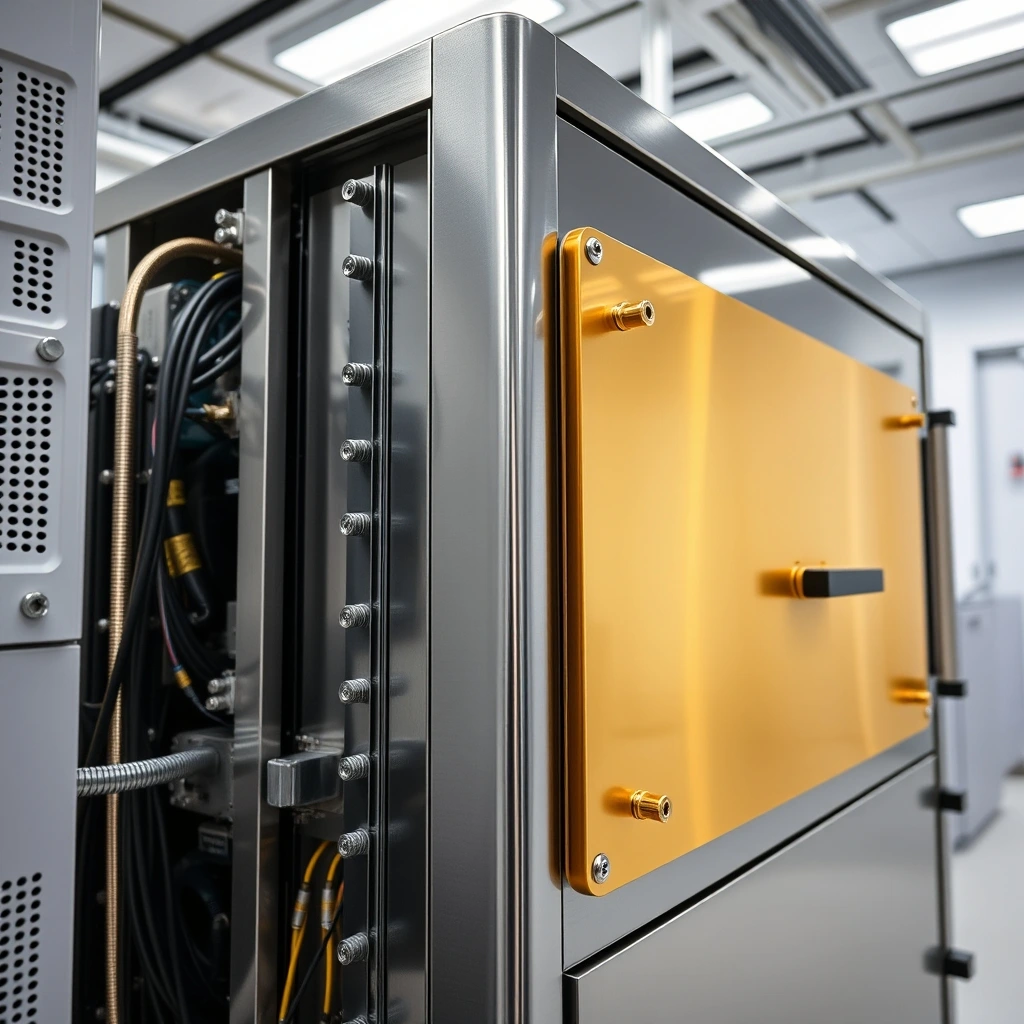
- Practical Utility: 2026 marks the shift from noisy intermediate-scale quantum devices to error-corrected architectures running real workloads.
- Enterprise Spend: Fortune 500 budgets are moving out of experimental R&D and into dedicated supply chain and materials optimization.
- Security Urgency: Post-quantum cryptography migration is no longer optional as legacy encryption vulnerabilities loom.
Let us be candid: the boardroom conversation around quantum computing has radically shifted. Gone are the days of blind hype and vague timelines stretching out to 2050. Corporate budgets demand concrete returns now, and the engineering reality has finally caught up with the press releases. Here is what is actually happening on the ground.
The Hardware Reality Check
Physical qubit counts stopped being the only metric that matters. For years, vendors chased raw numbers while ignoring error rates. That strategy hit a wall. In 2026, the industry measures success by logical, fault-tolerant qubits.
Scaling up requires massive cryogenic infrastructure and complex control electronics. Building these systems demands supply chains that few nations control entirely. Companies that secured early component contracts are currently dominating the enterprise landscape.
Where the Money Goes: Supply Chains and Chemistry
Theory is cheap. Molecular simulation is expensive. Pharmaceutical giants and material science conglomerates are paying top dollar for specialized quantum algorithms. Traditional supercomputers choke on complex molecular interactions. Quantum annealers and gate-based systems handle these massive variable matrices with unprecedented speed.
- Catalyst Discovery: Simulating nitrogen fixation to lower agricultural fertilizer production costs.
- Battery Chemistry: Testing solid-state electrolyte combinations without physical prototyping.
- Logistics Routing: Solving multi-variable global freight bottlenecks in real-time.
Comparing the Paradigms
| Aspect | Traditional Approach | Modern Solution |
|---|---|---|
| Optimization | Heuristic approximations | Exact quantum annealing paths |
| Security | RSA and ECC standards | Lattice-based post-quantum cryptography |
| Infrastructure | Cloud-based CPU clusters | Hybrid CPU-QPU heterogeneous nodes |
The Post-Quantum Security Panic
Data harvesting is happening right now. Bad actors steal encrypted enterprise data today, storing it until scalable quantum hardware cracks legacy keys. This threat forces chief information security officers to accelerate their migration schedules.
Transitioning corporate cryptography is messy. Legacy software dependencies break. Vendor compliance standards shift constantly. Building a transition roadmap requires patience and significant capital allocation.
Do not wait for a fully fault-tolerant machine to start your migration. Audit your cryptographic assets immediately and implement hybrid encryption models that combine classical algorithms with quantum-resistant standards.
Talent Shortages and Internal Upskilling
You cannot simply hire a team of quantum physicists off the street. The talent pool remains painfully small. Successful enterprises take a hybrid approach by training existing senior software engineers in quantum assembly languages and linear algebra frameworks.
Universities are spinning out specialized degrees, but corporate training programs fill the immediate gap. The most successful teams combine domain experts in chemistry or finance with trained algorithm designers.
Frequently Asked Questions
Is quantum computing replacing classical computers?
No. Quantum machines excel at specific optimization and simulation tasks. Everyday computing, file storage, and database management will remain firmly in the domain of classical silicon processors.
When will small businesses adopt quantum tech?
Direct hardware ownership remains out of reach for most organizations. Instead, access will continue to scale through cloud-based quantum-as-a-service models provided by major infrastructure giants.