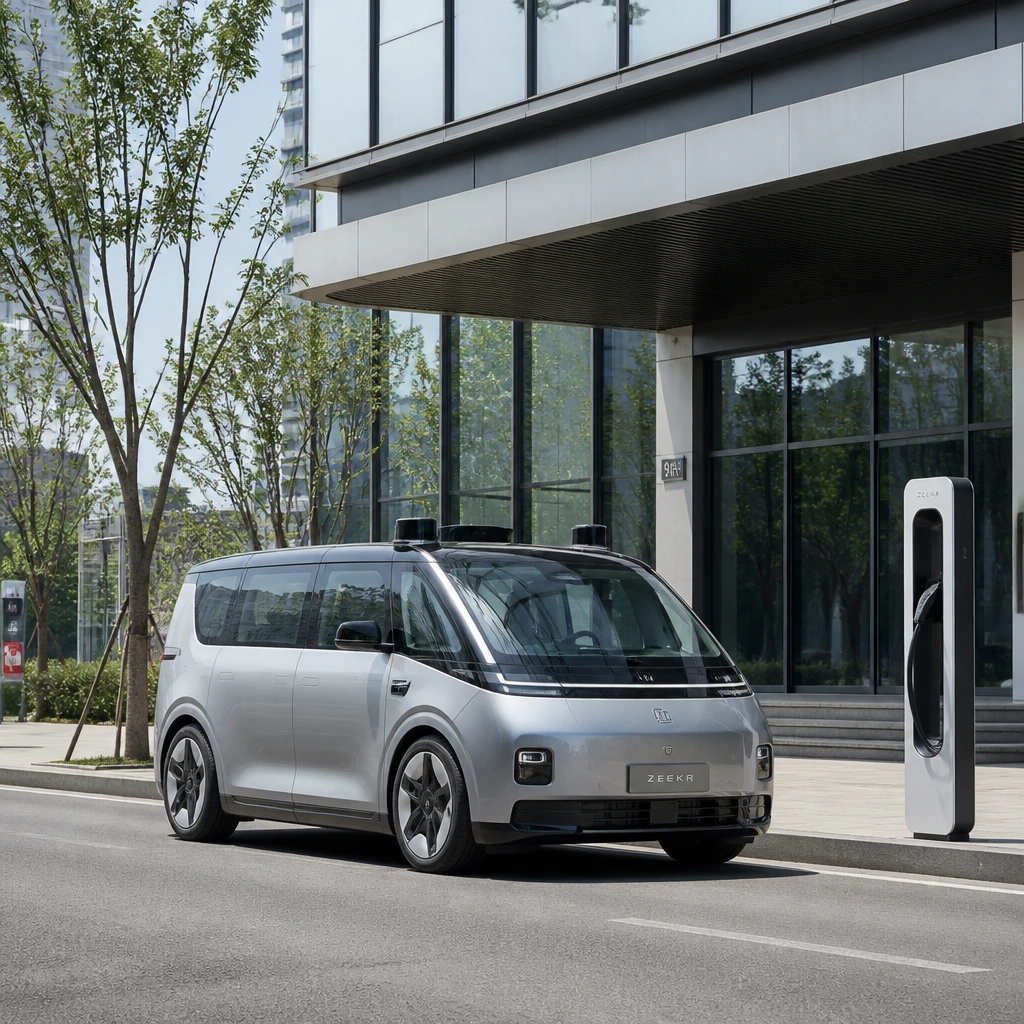
The Dawn of Autonomous Transport
The transportation landscape is shifting rapidly, and Tesla's recent unveiling of the Cybercab marks a monumental chapter in this evolution. Designed from the ground up without a steering wheel or pedals, the Cybercab represents Elon Musk's ultimate vision of unsupervised autonomous ride-hailing. As these futuristic vehicles finally transition from controlled test tracks to open public asphalt, urban mobility analysts and technology enthusiasts are watching closely to see how theory translates into real-world practice.
This launch is not merely a product release; it is a fundamental challenge to traditional urban transit models. By promising dramatically lower per-mile operational costs, Tesla aims to democratize on-demand mobility. Yet, the leap from a controlled demonstration environment to the chaotic reality of city streets is fraught with complex variables, ranging from unpredictable pedestrian behavior to legacy infrastructure deficiencies.
Engineering Marvels Inside the Cabin
A closer examination of the Cybercab reveals an interior optimized entirely for passenger experience. Without manual controls, the cabin space is expanded, offering an ergonomic, lounge-like environment equipped with large entertainment displays and wireless charging stations. The vehicle relies heavily on Tesla's latest hardware suite, utilizing advanced neural networks and high-resolution cameras rather than expensive lidar systems to interpret the surrounding world.
- Elimination of all manual driving controls, maximizing interior passenger space.
- Reliance on pure-vision artificial intelligence for real-time spatial navigation.
- Inductive charging integration, removing the need for physical plug-in infrastructure at depots.
- Aerodynamic exterior styling designed to optimize battery efficiency for fleet operations.
Hitting a Snag: Regulatory and Technical Roadblocks
Despite the initial excitement surrounding the debut, the Cybercab's rollout hit an immediate snag. Regulatory bodies across multiple jurisdictions expressed renewed caution regarding the vehicle's lack of traditional backup controls. Safety advocates have raised pertinent questions about edge-case handling—those rare, highly complex driving scenarios where even advanced artificial intelligence can struggle to determine the correct path forward.
The transition to fully autonomous public transport requires more than brilliant software; it demands absolute regulatory alignment and public trust.
Furthermore, early test drives highlighted minor navigation glitches when encountering unconventional construction zones and unexpected detours. These teething problems underscore the immense difficulty of achieving true Level 5 autonomy without geofenced limitations, proving that engineering perfection is an iterative and often grueling journey.
The Broader Impact on the Ride-Hailing Market
The introduction of the Cybercab sends shockwaves through the existing ride-hailing and automotive ecosystems. Competitors like Waymo and Cruise are already operating commercial robotaxi services, but Tesla's aggressive pricing strategy and massive manufacturing footprint could alter market dynamics overnight. Traditional fleet operators are now forced to accelerate their own electrification and autonomy timelines to remain competitive.
However, consumer adoption remains the ultimate litmus test. While tech-forward early adopters are eager to summon a steering-wheel-free vehicle, the broader public requires demonstrable proof of safety and reliability before fully embracing driverless transportation as a daily commuter habit.
Looking Ahead: The Path to Scaled Deployment
As Tesla works diligently to resolve the initial software and regulatory snags, the broader implications of the Cybercab rollout cannot be overstated. Success will depend heavily on the company's ability to collaborate transparently with municipal governments, refine its neural network training data, and prove an impeccable safety record on public roads.
- Continuous software overhauls to address complex urban edge cases.
- Deepening engagement with regulatory agencies to establish clear certification pathways.
- Scaling manufacturing output to build out the proposed dedicated robotaxi fleet.
- Establishing robust maintenance and rapid-response protocols for public safety.
Ultimately, the Cybercab's journey has only just begun. While the road ahead is undeniably bumpy, the convergence of artificial intelligence, electric vehicle engineering, and modern fleet management points toward a radically transformed future of human mobility.