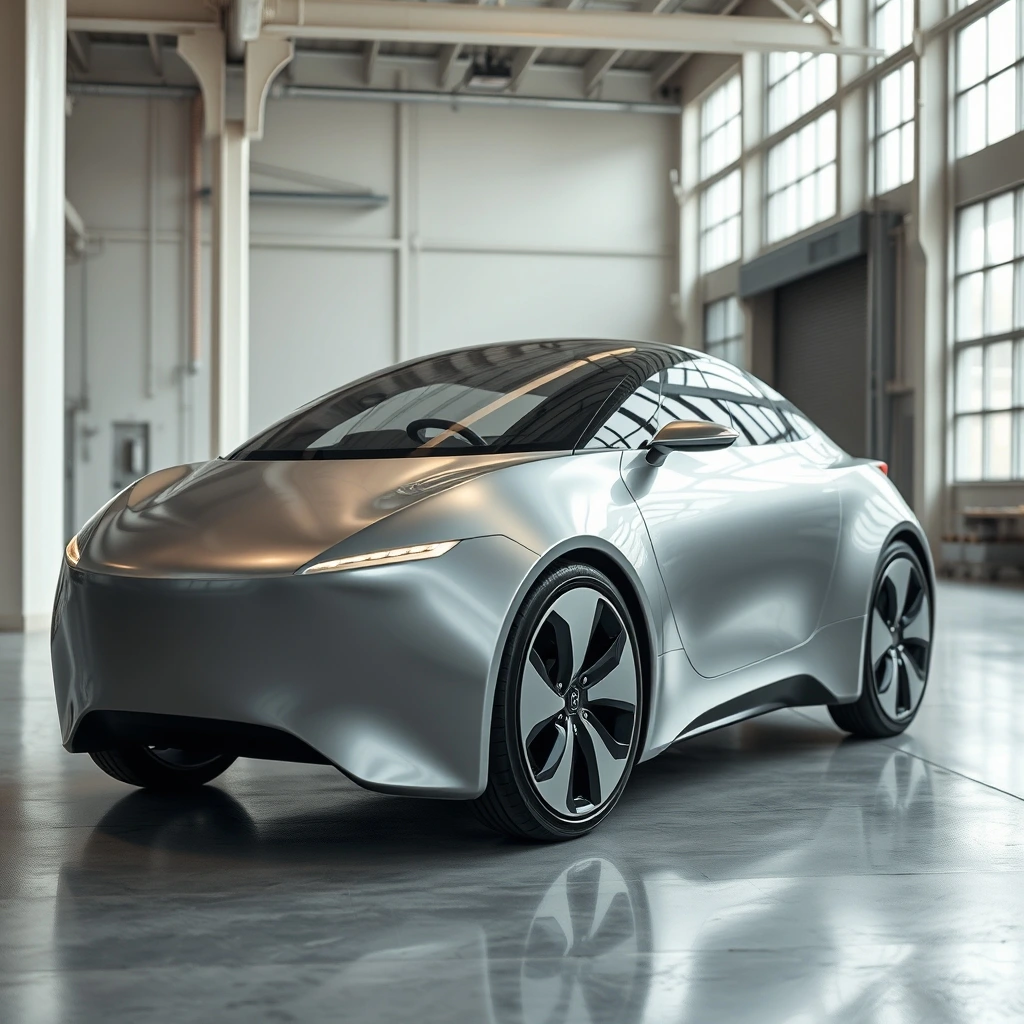
- Aggressive Timeline: Tesla maintains its push to deploy robotaxis before the current year concludes.
- Regulatory Hurdles: Safety approvals and local permits remain massive obstacles in most major cities.
- Hardware Shift: The absence of steering wheels and pedals forces a total redesign of traditional passenger expectations.
Let's be candid: when Elon Musk drops a deadline, smart money usually buys a calendar with a very large eraser. Yet here we are again, staring down a bold promise that autonomous Cybercabs will hit public roads before the snow melts. Is this the moment personal transit changes forever, or is it just another carefully timed distraction?
The Steering Wheel is Officially Missing
Walk up to the prototype, and the first thing you notice isn't the sleek aluminum exterior. It is the absolute void inside the cabin. No pedals. No steering column. Just a sprawling display screen and two bucket seats. Tesla is betting heavily that regulators will blink first, approving a vehicle that offers zero manual override for the average passenger.
This design philosophy cuts manufacturing costs down to the bone. Fewer moving parts mean fewer factory bottlenecks. But removing human controls shifts the entire burden of safety onto software that is still fighting edge cases in broad daylight.
- Zero driver controls reduces interior assembly complexity.
- Cabin space expands dramatically without a dashboard cluster.
- Maintenance costs drop due to simplified mechanical layouts.
The Regulatory Maze No One Wants to Talk About
Building the car is the easy part. Convincing municipal governments to let driverless pods navigate chaotic downtown intersections is an entirely different beast. Cities like San Francisco and Austin have spent years wrangling with autonomous fleets blocking traffic lanes during unexpected software glitches.
Tesla plans to bypass traditional dealership networks entirely, deploying the fleet through its existing mobile app ecosystem. But local transit boards hold the ultimate veto power. Without municipal green lights, a fleet of brilliant robotaxis becomes very expensive lawn ornaments sitting in a Texas parking lot.
Parsing the Reality of Vision-Only Autonomy
Unlike competitors relying on expensive LiDAR sensor suites and high-definition laser mapping, Tesla sticks stubbornly to cameras and neural networks. This approach scales cheaply, but it stumbles when snow obscures road lines or blinding sun glares directly into the lenses.
| Aspect | Traditional Approach | Modern Solution |
|---|---|---|
| Sensor Suite | LiDAR, Radar, and Cameras | Vision-Only Cameras |
| Mapping | Pre-mapped HD Lanes | Real-time Neural Net |
| Deployment Model | Geofenced Testing Zones | Broad OTA Rollout |
Do not sell your current commuter car just yet. Even if Tesla meets its internal production goals, commercial ride-hailing availability will likely remain restricted to tightly controlled test markets through the initial launch window.
What Happens to Used Car Values If This Actually Works?
If autonomous fleets can shuttle people across town for pennies per mile, private car ownership loses its economic edge for millions of urban dwellers. Why pay for insurance, parking, and monthly loan payments when a Cybercab arrives at your curb within ninety seconds?
Automotive resale markets would experience immediate shockwaves. Used sedan prices could plummet as urban commuters ditch personal garages. Conversely, suburban buyers might hold onto their vehicles longer, highlighting a growing geographical divide in personal mobility.
Frequently Asked Questions
Will everyday owners be able to add their cars to the Cybercab network?
That remains the ultimate pitch. Tesla suggests private owners can sleep while their personal vehicles earn money as robotaxis overnight. However, liability insurance and cabin wear-and-tear create massive logistical question marks that have not been solved publicly.
How does the Cybercab handle inclement weather?
Vision-based systems historically struggle in heavy downpours or blizzards where lane markings vanish. Tesla's recent software iterations use upgraded AI training to predict pathing, but heavy weather performance remains the ultimate test.