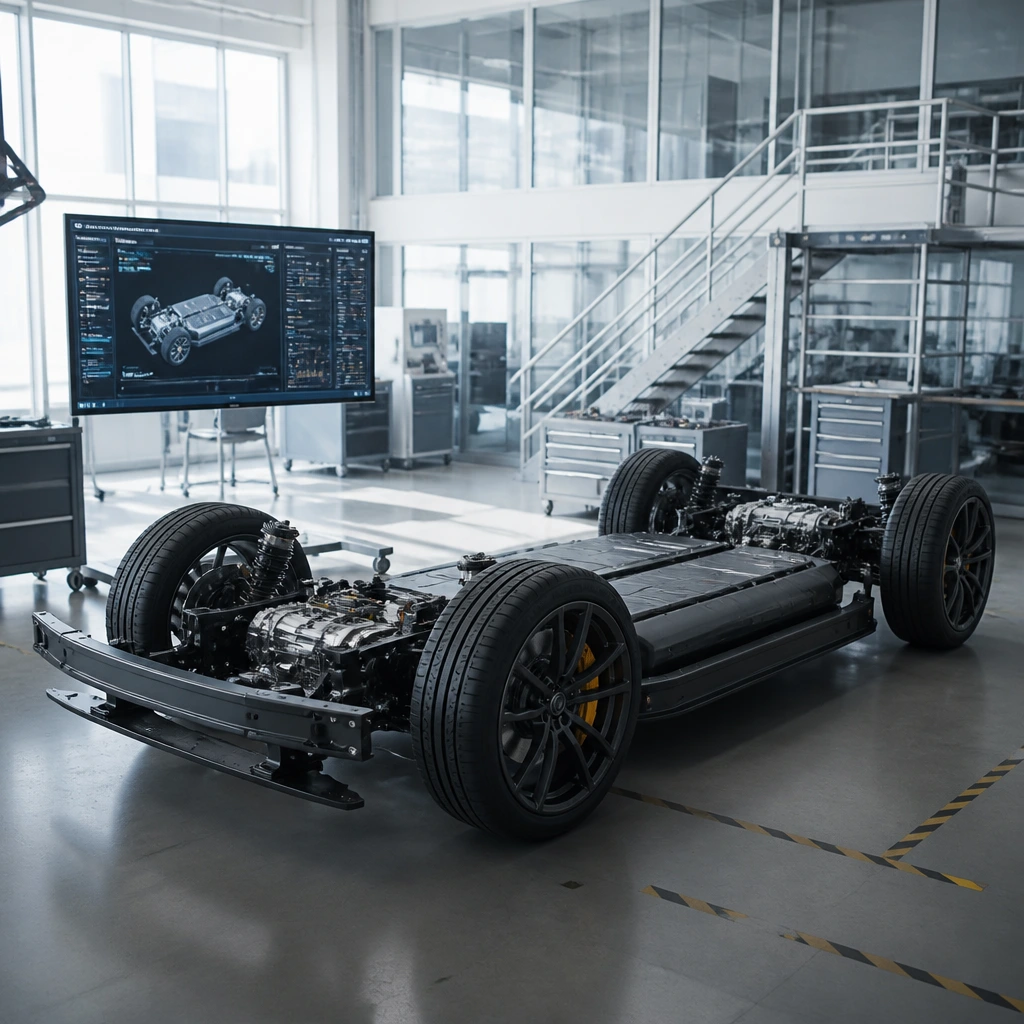
- Point 1: Tesla scheduled the long-awaited second-generation Roadster reveal for October 1.
- Point 2: The vehicle was originally promised in 2017, leading to widespread consumer skepticism.
- Point 3: Performance targets include staggering acceleration figures that challenge traditional hypercars.
Let's be candid: automotive promises often age like warm milk. When Elon Musk first pulled the sleek sports car out of a semi-trailer back in late 2017, crowds gasped at the 1.9-second zero-to-sixty claim. Then the calendar pages flipped. 2020 came and went. 2023 passed quietly. Now, a fresh October 1 date sits on the calendar. Will this time actually be different?
The Anatomy of Broken Timelines
Building hype is easy. Delivering physical hardware at scale is brutal. Tesla mastered the art of the delayed reveal long ago. Enthusiasts who put down hefty cash deposits have watched generations of phones come and go while waiting for their electric halo car.
- Initial 2017 unveiling promised production by 2020.
- Base reservations required steep upfront deposits of $50,000.
- Founder's Series slots demanded the full $250,000 upfront.
That is a massive interest-free loan for a product that missed multiple launch windows. The October 1 event needs to show actual production lines, not just another prototype rolling slowly across a stage.
Crunching the Outrageous Performance Numbers
Tesla claims the new machine will hit 60 miles per hour in under a second if equipped with SpaceX thruster options. Physics makes engineers sweat when reading that specification. Managing thermal loads and tire grip at those forces requires entirely new engineering pathways.
Other metrics include a top speed exceeding 250 miles per hour and a 620-mile range battery pack. These numbers sit comfortably in the realm of extreme science fiction. Achieving them on a public road without melting the drivetrain is the real hurdle.
| Aspect | Traditional Hypercar | Tesla Roadster Target |
|---|---|---|
| Powertrain | V12 or Hybrid V8 | Tri-Motor Electric |
| 0-60 Time | 2.4 to 2.8 seconds | Under 2.0 seconds |
| Daily Usability | Abysmal boot space | Four-seat layout |
Why October 1 Matters for the Entire Industry
Legacy automakers are watching this timeline like hawks. Traditional brands like Ferrari and Porsche are busy electrifying their lineups. A production-ready hyper-EV from Austin changes the competitive landscape overnight.
Do not judge the October 1 event by the flashy track demonstrations alone. Look closely at the interior materials, panel gaps, and whether an actual delivery date is attached to a finalized VIN system.
If the vehicle arrives with functional production intent, it forces every luxury brand to rethink their high-performance electric strategy. If it slips again, the market may finally stop caring.
Frequently Asked Questions
How much will the second-generation Tesla Roadster cost?
Base models start at $200,000, while the limited Founder's Series commands $250,000 paid upfront.
Is the SpaceX option package actually happening?
Tesla repeatedly insists cold gas thrusters are still planned for the vehicle, though regulatory approval for public roads remains a massive unknown.