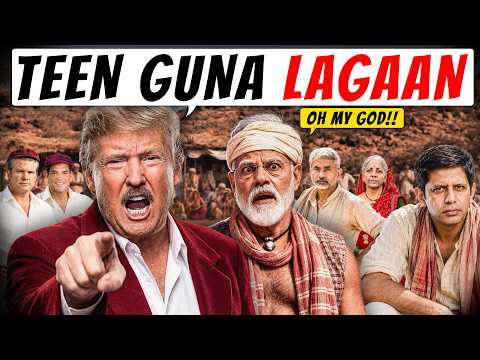
- The Tariff Threat: Donald Trump's rhetoric around heavy import duties signals a bumpy road for bilateral trade.
- The UPI Concession: New Delhi faces mounting pressure to open up digital public infrastructure to foreign players.
- The Commentary Gap: Akash B breaks down how geopolitical theater often masks intense economic bargaining.
Here's what nobody tells you about international diplomacy: birthdays rarely bring genuine gifts, especially when trade deficits and digital dominance sit on the table. Let's be candid. When Donald Trump floated the idea of a massive tariff slap just as Narendra Modi navigates strategic compromises on UPI, internet commentators went wild. But beneath the noise lies a grueling negotiation over who controls global commerce and consumer data.
The Timing Problem Nobody Wants to Admit
Optics matter in politics. When high-stakes trade threats coincide with celebratory milestones, observers look for hidden messages. Was this a calculated warning shot? Absolutely. Trump operates on transactional leverage, treating every bilateral relationship like a high-stakes real estate deal.
- Trade negotiators view public statements as opening bids rather than final policies.
- Domestic audiences hear strength; foreign capitals hear pressure to yield.
- Economic data rarely aligns with the dramatic narratives spun on digital media channels.
Akash B's breakdown of the situation cuts through the partisan spin. Instead of asking who won or lost the news cycle, we need to examine the actual friction points between Washington and New Delhi.
Decoding the UPI Surrender Narrative
Let's talk about the Unified Payments Interface. For years, India touted its home-grown digital payment stack as a sovereign triumph. It bypassed Western credit card monopolies and brought millions into the formal economy. So why the sudden panic about a surrender?
- Foreign tech giants want deep access to India's massive transaction volume.
- Regulatory compliance demands create friction for external gateway operators.
- Bilateral pressure often forces compromises behind closed doors.
Saying Modi 'surrendered' plays well for clicks, but the reality involves incremental policy adjustments. Governments rarely capitulate overnight. They barter market access for geopolitical alignment, balancing domestic pride with international supply chain security.
When Trade Becomes a Weapon
Tariffs are not just economic instruments. They are political hammers. When politicians threaten triple-digit duties, they target specific voting blocs and export industries. The goal is to force the opposing side back to the negotiating table on unequal terms.
| Aspect | Traditional Approach | Modern Solution |
|---|---|---|
| Tariff Threats | Retaliate immediately with reciprocal duties | Strategic patience and sector-specific exemptions |
| Digital Infrastructure | Complete protectionism and closed loops | Conditional access paired with data localization |
| Public Narrative | Quiet diplomacy behind closed doors | Real-time commentary and viral social media analysis |
Always separate political theater from statutory reality. A viral claim about a complete policy surrender usually ignores the complex, slow-moving legal frameworks that actually govern cross-border tech and trade.
Why Independent Analysis Matters
Mainstream news outlets often lean into sensationalism. They frame international relations as a zero-sum game where one leader wins and the other loses. Independent creators like Akash B fill the gap by challenging these simplistic binaries.
- They ask uncomfortable questions about corporate lobbying.
- They refuse to accept official press releases at face value.
- They connect local economic struggles to global macroeconomic shifts.
Understanding these dynamics requires looking past the birthday greetings and the dramatic soundbites. At the end of the day, sovereign nations protect their bottom lines above all else.
Frequently Asked Questions
Are these proposed tariffs already in effect?
No. They remain rhetorical tools and negotiating levers used to pressure trade partners during ongoing policy discussions.
Did India actually give up control of UPI?
Not entirely. While regulatory adjustments happen, UPI remains heavily regulated to protect national interests and domestic fintech players.