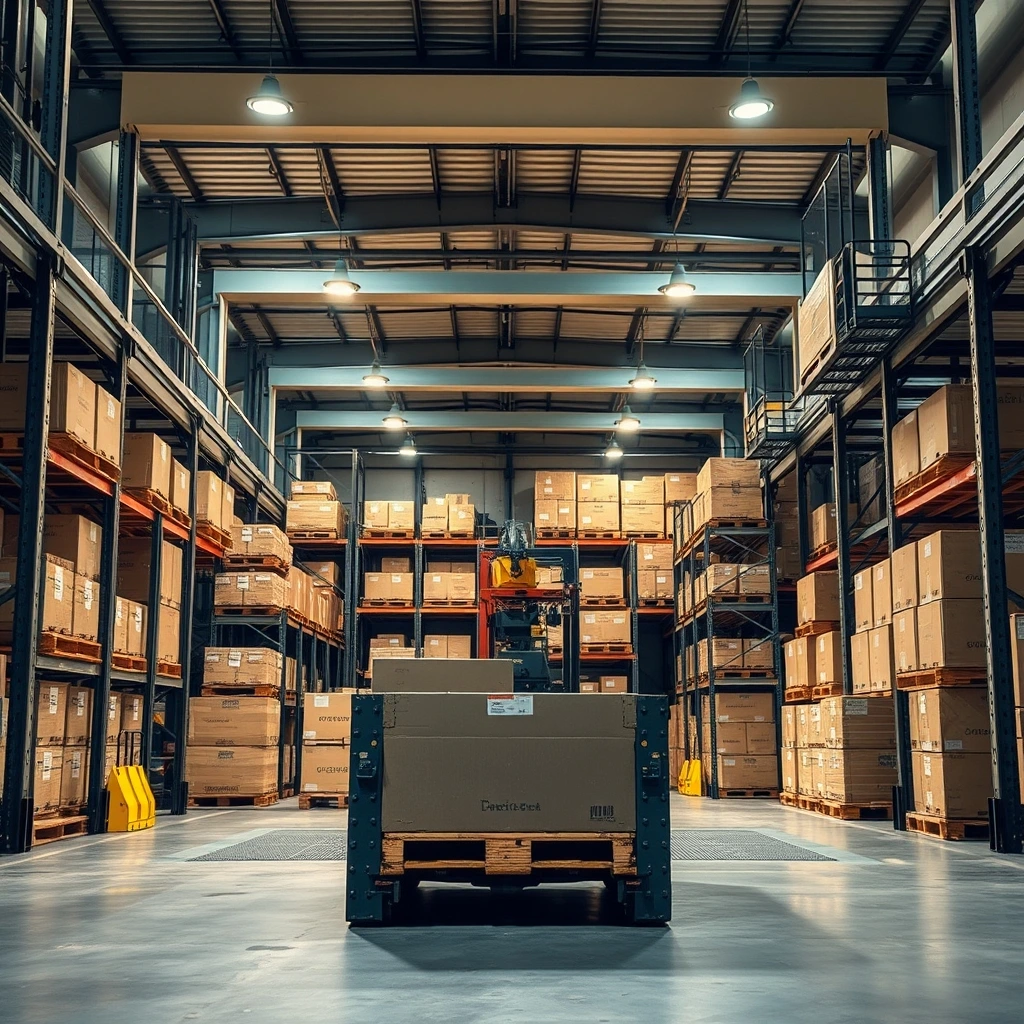
- The Quiet Pivot: Flipkart is expanding beyond e-commerce into quick-commerce and food logistics.
- The ONDC Catalyst: Leveraging India's open-network architecture allows them to bypass heavy initial infrastructure costs.
- The Competitive Threat: Zomato and Swiggy now face a well-funded retail giant backed by Walmart's supply chain playbook.
Let's be candid: most market analysts completely missed the biggest play happening in Indian quick-commerce. While the media focuses on high-stakes public market skirmishes between established food delivery apps, Walmart-backed Flipkart has been engineering a silent, methodical counter-offensive. They are not just selling smartphones or fashion anymore. They want your dinner.
The Shadow Strategy Nobody Is Talking About
Observe the streets of Bengaluru or Mumbai for an afternoon. You will notice thousands of delivery executives weaving through heavy traffic. For years, only two apps dominated those hot delivery bags. But scan the digital backend of India's evolving commerce infrastructure, and a different corporate footprint emerges. Flipkart is positioning its vast logistics arm, Ekart, to handle rapid, hyper-local transport at an unprecedented scale.
This isn't an accident. It is a deliberate consolidation of retail power. By integrating grocery, quick-commerce, and now food logistics into a single unified app ecosystem, Flipkart aims to keep the consumer locked inside its digital walls all day long. They do not need to build the storefront from scratch. They have the logistics backbone already humming across hundreds of pin codes.
Riding the Open Network Wave
Building a food delivery app from zero requires billions in restaurant acquisition costs, discount subsidies, and courier fleet management. Smart players take a different route. Flipkart is utilizing the Open Network for Digital Commerce (ONDC) to plug directly into restaurant listings without absorbing the crushing overhead of traditional customer acquisition.
- Asset-Light Expansion: Partnering with ONDC lets Flipkart tap existing restaurant supply without signing exclusive merchant contracts.
- Logistics Supremacy: Ekart handles the actual drop-off, weaponizing existing delivery density to lower per-order fulfillment costs.
- Data Synergy: Combining shopping habits with meal preferences reveals purchasing patterns traditional food apps cannot see.
| Aspect | Traditional Approach | Modern Solution |
|---|---|---|
| Merchant Acquisition | Expensive field sales teams | Plug-and-play via ONDC protocols |
| Delivery Fleet | Dedicated single-purpose riders | Shared hyper-local logistics networks |
| Customer Retention | Heavy cash-burn and discounts | Cross-category loyalty ecosystems |
Why Zomato and Swiggy Should Pay Attention
Complacency kills giants. When Amazon entered India's grocery sector, incumbents shrugged until same-day delivery became the baseline expectation. Flipkart's quiet entry into food delivery follows that exact playbook. They possess patient capital, massive warehouse footprints, and a deeply entrenched user base in tier-two and tier-three cities where restaurant delivery remains largely under-penetrated.
Do not judge Flipkart's food ambitions by standalone app downloads. Watch the expansion of dark stores and micro-warehousing in residential suburbs. That is where the actual war for daily convenience will be won or lost.
The Logistics Engine That Changes the Math
Margins in food delivery are famously razor-thin. Deliver a hot biryani, pay the rider, give the restaurant a cut, and the profit often vanishes. How does Flipkart plan to survive this brutal unit economics reality? Simple: cross-subsidization. When a single Ekart courier carries a morning electronics order, afternoon grocery restock, and evening dinner parcel, the delivery cost per item plummets. Traditional food apps lack this multi-category volume.
What Comes Next for India's Delivery Wars
The next twelve months will test whether a retail-first giant can successfully disrupt a hospitality-first habit. Consumers care about two things: delivery speed and pricing consistency. If Flipkart can leverage its supply chain muscle to undercut delivery fees while maintaining reliability, the duopoly will instantly become a fierce three-way brawl.
Frequently Asked Questions
Is Flipkart launching a standalone food delivery app?
Rather than a separate standalone app, current indicators suggest deep integration directly within the main Flipkart shopping application and its quick-commerce extensions, mirroring super-app strategies seen across Asia.
How does ONDC fit into Flipkart's strategy?
ONDC acts as the connective tissue, allowing Flipkart to access restaurant menus instantly while outsourcing the heavy lifting of merchant onboarding to open protocols.