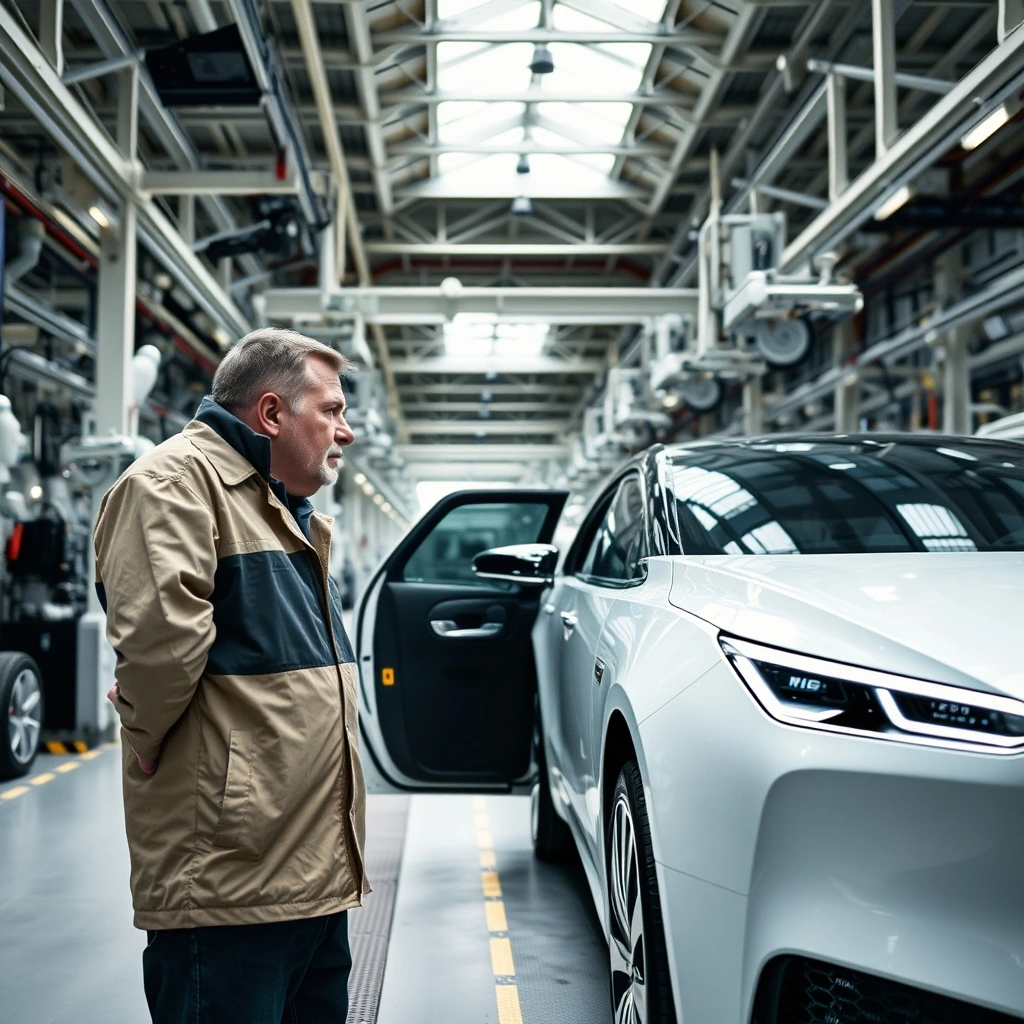
- Global Expansion: Waymo is moving beyond U.S. borders by partnering with Toyota to target dense international markets.
- Hardware Synergy: Combining Waymo's self-driving software with Toyota's manufacturing expertise changes the economics of deployment.
- Regulatory Hurdles: Navigating the strict traffic laws of London and Tokyo requires a completely different playbook than operating in Phoenix or San Francisco.
Let us be candid: building a robotaxi company that actually makes money is brutally difficult. For years, skeptics watched Silicon Valley burn billions of dollars chasing autonomous dreams on sunny American grids. But the game just changed. Waymo decided to stop building everything from scratch and tapped Toyota to supply vehicles for London and Tokyo. This is not just a standard corporate press release. It signals a hard pivot toward pragmatic global scaling.
Why Detroit and Silicon Valley Finally Need Tokyo
For a long time, tech firms tried to do it all. They built the sensors, wrote the code, and even modified standard passenger cars by hand. That approach works fine when you operate in two or three friendly cities. It fails miserably when you look at a balance sheet and try to scale across oceans.
Japan and the United Kingdom present entirely different urban ecosystems. Narrow medieval lanes in London contrast sharply with the hyper-dense, complex intersections of Tokyo. Trying to map these cities with converted American SUVs is a recipe for disaster. Toyota brings unmatched vehicle reliability and factory integration directly to the table.
- Factory Integration: Autonomous hardware gets built right on the assembly line, avoiding expensive aftermarket retrofits.
- Local Trust: Consumers in foreign markets feel safer riding in a familiar domestic brand like Toyota.
- Maintenance Networks: Existing dealer and service infrastructures simplify vehicle upkeep on foreign soil.
Watch how local municipalities handle union pushback and taxi driver associations. Software readiness is only half the battle; political acceptance dictates how fast these fleets actually hit the pavement.
The Economics of International Autonomous Fleets
Operating a driverless vehicle in downtown London is radically different from cruising down a wide boulevard in Phoenix. Weather, pedestrian behavior, and strict liability laws change the math entirely. By outsourcing the physical vehicle supply chain to an automotive titan, Waymo shifts capital risk away from itself.
Let us look at how the operational model compares to traditional taxi services and old-school tech experiments.
| Aspect | Traditional Approach | Modern Solution |
|---|---|---|
| Vehicle Supply | Aftermarket retrofits by tech startups | Factory-integrated builds from established automakers |
| Market Entry | Heavy localized testing with manual drivers | Data-driven localization via partner networks |
| Capital Risk | High internal manufacturing exposure | Shared infrastructure and localized supply chains |
Navigating the Left-Hand Traffic Labyrinth
Both the U.K. and Japan drive on the left side of the road. This might sound like a simple software toggle, but it requires deep architectural changes. Sensor placements, lidar fields of view, and camera angles all need recalibration.
Furthermore, human drivers in London have a notorious reputation for aggressive lane-sharing. Tokyo pedestrians cross streets in massive, chaotic waves that defy standard algorithmic logic. Toyota's deep understanding of these specific driving cultures helps bridge the gap between American software architecture and foreign asphalt.
What Happens When the Software Meets Foreign Regulators?
Getting approval from the British Department for Transport or Japan's Ministry of Land, Infrastructure, Transport and Tourism is no walk in the park. These agencies demand exhaustive safety arguments before letting an empty driver's seat carry paying passengers.
Toyota brings political capital and regulatory familiarity that Silicon Valley outsiders simply do not possess. This partnership offers Waymo a fast track through bureaucratic red tape that has historically stalled foreign tech entrants.
Frequently Asked Questions
When will these Toyota robotaxis actually carry passengers in London?
Initial testing phases are already underway behind closed doors. Public trials will likely roll out in controlled districts before any commercial ride-hailing becomes widely available.
Will these vehicles use Waymo's proprietary hardware suite?
Yes. The core autonomous driving stack, including customized lidar and radar arrays, remains entirely Waymo-built, but it will be integrated directly onto Toyota platforms.
Does this mean Waymo is abandoning the U.S. market?
Not at all. Domestic operations remain their primary revenue engine, but this partnership represents the first serious blueprint for true international expansion.