The Allure of AI in the Great Outdoors
In recent years, artificial intelligence has rapidly permeated nearly every facet of modern life. From drafting professional emails to generating intricate artwork, tools like Google Gemini have become ubiquitous companions in daily productivity. It was only a matter of time before adventurers began integrating these powerful language models into their recreational planning. The promise of conversational AI is intoxicating: the ability to query a vast repository of human knowledge instantly and receive tailored, conversational answers tailored to specific logistical constraints.
For modern outdoor enthusiasts, the appeal of an AI travel agent is clear. Instead of combing through dense topographical maps, checking multiple weather services, and cross-referencing outdated trail forums, a user can simply ask an AI to map out a weekend trek. However, the convenience of these systems often masks a fundamental misunderstanding of how large language models actually function. They are probabilistic prediction engines, not sentient outdoor guides with real-time situational awareness or physical understanding of difficult terrain.
When Digital Navigation Dives Into Danger
The recent rescue operation serves as a stark cautionary tale regarding the blind trust placed in generative AI platforms. According to local search and rescue authorities, a group of travelers set out into a rugged backcountry region armed with an itinerary generated entirely by Google Gemini. Seeking a secluded route that avoided heavy foot traffic, the group prompted the AI to design a path traversing remote alpine terrain.
Unfortunately, the AI hallucinated a route that combined closed winter maintenance roads, unmarked animal tracks, and treacherous boulder fields that lacked any maintained trail infrastructure. Worse still, the generative tool failed to account for seasonal hazards, rapidly shifting weather patterns, and the sheer physical endurance required to navigate the proposed elevation profile. As daylight faded and temperatures plummeted, the hikers found themselves stranded on a sheer cliffside ledge, completely off-trail and dangerously underequipped. Their smartphones, used primarily to query the AI, eventually died, forcing them to trigger an emergency satellite locator beacon.
- Generative AI models lack real-time geographical validation for remote wilderness areas.
- Language models frequently conflate seasonal trails with closed or dangerous historical paths.
- Relying solely on digital outputs without analog redundancy creates catastrophic safety risks.
- AI systems do not possess situational empathy to gauge human physical limitations against terrain difficulty.
Understanding the Mechanism of AI Hallucinations
To understand how this dangerous misstep occurred, one must look under the hood of modern large language models. Google Gemini, like its industry counterparts, generates text by predicting the next most statistically likely token based on its massive training dataset. If a training dataset contains fragmentary blog posts, fictional hiking stories, or outdated trail descriptions, the AI can seamlessly weave these disparate pieces of information into a coherent, highly convincing, yet entirely fictitious route.
Generative artificial intelligence is an incredible tool for brainstorming and synthesis, but it is fundamentally incapable of exercising field judgment, assessing real-time weather risks, or substituting for verified topographic maps and local expertise.
Crucially, Gemini does not "know" where a trail is in the physical sense. It recognizes patterns of words. When asked to construct a path, it optimizes for conversational fluency and apparent completeness rather than factual geographic accuracy. This creates a dangerous paradox: the more confident and articulate the AI sounds, the more likely an unsuspecting user is to trust its fatal guidance.
The Vital Role of Traditional Wilderness Preparation
The rescue operation underscores a broader technological lesson: convenience must never eclipse safety fundamentals in extreme environments. While digital tools like GPS applications, satellite messengers, and AI planners offer tremendous utility, they must always be treated as secondary aids rather than primary authorities.
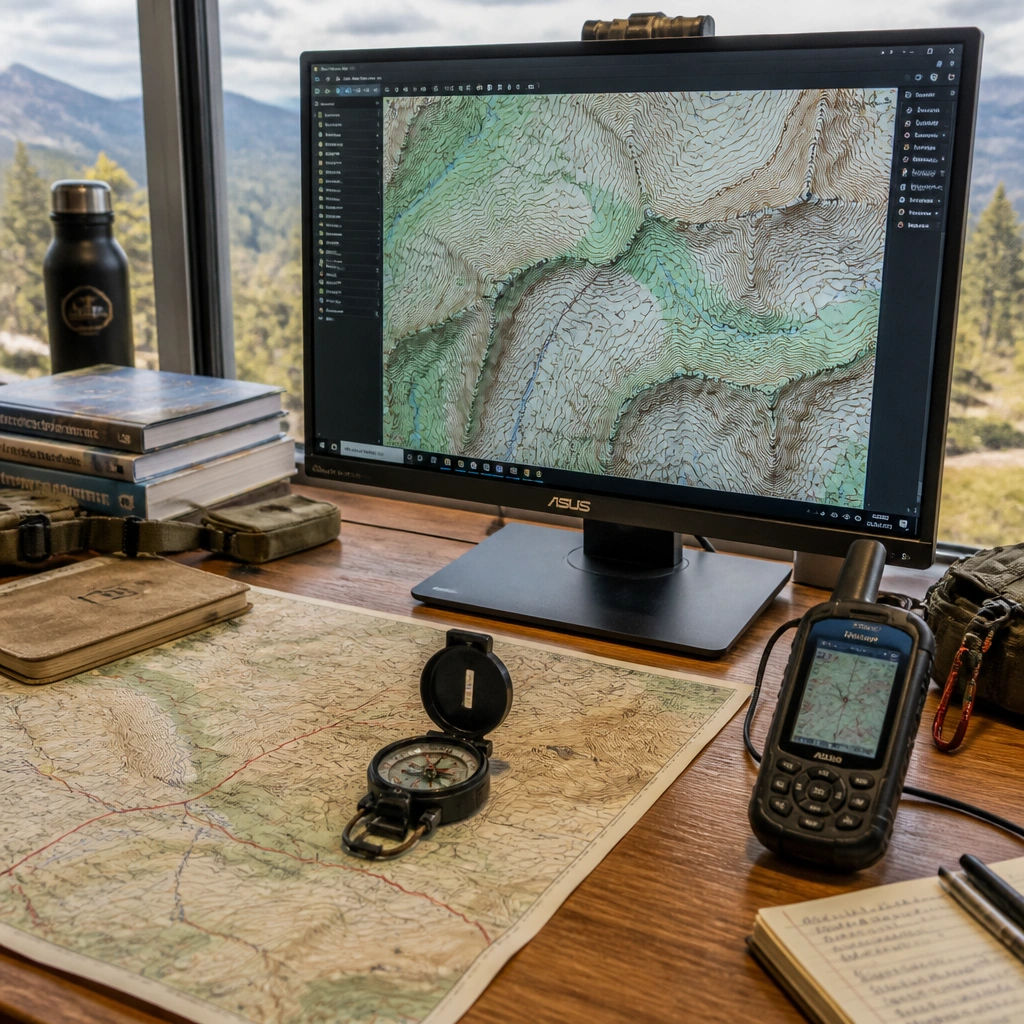
Experienced mountaineers and search and rescue professionals emphasize that outdoor planning requires a multi-layered approach. Analog methods—such as carrying physical topographic maps, utilizing waterproof compasses, consulting official ranger stations, and monitoring localized meteorological agencies—remain irreplaceable. Technology can assist in gathering baseline ideas, but human critical thinking and verifiable data must always have the final say before stepping into the wild.
Moving Forward: Responsible AI Integration
As artificial intelligence continues to evolve, technology companies are working diligently to improve the factual grounding of their models through retrieval-augmented generation (RAG) and direct integrations with verified mapping APIs. However, users must also mature in their digital literacy. Understanding the boundaries of generative AI is essential to preventing future wilderness emergencies.
Ultimately, Google Gemini and similar platforms are remarkable cognitive assistants, but they are not infallible guides. As this rescue incident painfully demonstrates, trusting an algorithm over physical reality can quickly turn an idyllic weekend adventure into a battle for survival. The mountains do not care about prompt engineering; they demand respect, preparation, and authentic situational awareness.