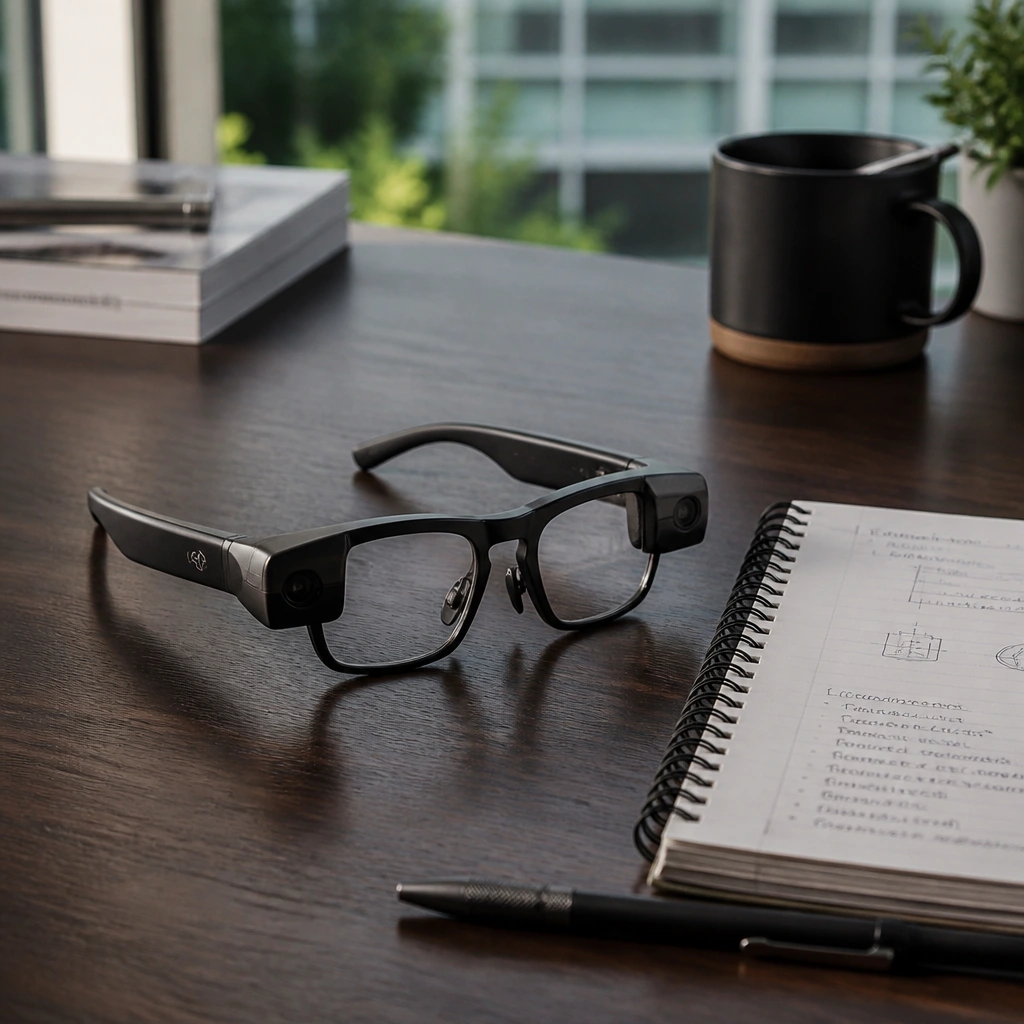
- Hardware Pivot: Smart eyewear dominated the floor over bulky VR headsets.
- AI Integration: Multimodal AI is transforming casual spectacles into active assistants.
- Market Validation: Consumer demand has finally caught up with corporate ambition.
Let us be candid about what actually happened at Meta Connect this year. While the keynote focused heavily on software roadmaps and heavy-duty computing ambitions, the real story happened in the hallways, on the demo floors, and across the faces of nearly every attendee. Traditional head-mounted displays took a backseat. Lightweight, camera-equipped spectacles stole the entire spotlight.
The Shift From Face-Computers to Fashion
For a decade, the tech industry tried to force us into giant plastic goggles. Consumers resisted. They looked ridiculous, felt heavy, and isolated the wearer from reality. Meta finally listened to the market feedback. The hardware strategy shifted from total immersion to ambient augmentation. These new frames look remarkably normal. Friends can barely tell you are recording video or chatting with an AI assistant.
- Frames weigh mere ounces instead of pounds.
- Prescription lenses blend seamlessly with built-in sensors.
- Battery management now lasts through a standard workday.
Multimodal AI Changes Everything
Hardware without a brain is just expensive plastic. The magic driving these glasses comes from real-time visual processing. Point your camera at a foreign menu, ask a question aloud, and the answer hits your ears instantly. You stop looking down at a glowing rectangle. Your gaze stays anchored to the physical world.
Why Competitors Are Suddenly Sweating
Apple holds the high-end vision market hostage with expensive spatial computers. Google remains quiet after previous public stumbles. Snap plays in the niche creator space with Spectacles. Meta capitalized on this vacuum. By pricing their frames competitively and partnering with legacy eyewear brands like Ray-Ban, they cracked distribution. Accessibility beats raw technical superiority every single time.
Do not throw away your smartphone just yet. These glasses work brilliantly as an input-output peripheral, but battery constraints and thermal limits mean heavy computing still lives in your pocket.
Comparing the Old Guard Versus the New Wave
| Aspect | Traditional Approach | Modern Solution |
|---|---|---|
| Form Factor | Bulky Headset | Sleek Eyewear |
| Social Acceptance | Low (Isolating) | High (Invisible Tech) |
| Primary Input | Controllers / Gestures | Voice and Vision AI |
The Privacy Elephant in the Room
We cannot ignore the blinking light. Putting recording devices on millions of faces introduces massive social friction. People do not want strangers secretly streaming their coffee shop conversations. Meta includes tiny LED indicator lights, but accountability remains a fragile concept. Social norms around wearable cameras are shifting, yet the friction will likely trigger upcoming regulatory battles.
What Comes Next for Everyday Wearables
The race has officially begun. The winners will not be the companies with the highest resolution screens. The winners will be the brands that make computing completely invisible. Expect thinner batteries, better audio directionality, and heads-up micro-displays sooner rather than later. The glass on your face will soon replace the screen in your hand.
Frequently Asked Questions
Are these smart glasses truly practical for everyday office work?
Not yet. They excel at quick media capture, navigation prompts, and casual queries. For deep spreadsheet work, traditional monitors remain undefeated.
How do privacy concerns affect public adoption?
Initial resistance is high, much like when camera phones first arrived. Over time, society tends to adapt once clear etiquette and hardware indicators become standardized.