The Evolution of Travis Kalanick: From Bits to Atoms
Travis Kalanick left an indelible mark on the global transportation ecosystem during his tumultuous tenure at Uber. By pioneering the app-based ride-hailing model, Kalanick mastered the realm of 'bits'—software algorithms connecting human drivers with passengers. Following his departure from the ride-sharing giant, his focus underwent a radical transformation. Through his new venture, aptly named CloudKitchens operating under the philosophy of 'Atoms,' Kalanick pivoted toward physical infrastructure, dark kitchens, and urban real estate logistics. However, recent industry murmurs suggest that Atoms might be gearing up for a dramatic return to the transportation sector, this time through the lens of autonomous vehicle technology and the burgeoning robotaxi business.
The intersection of dark kitchens and autonomous delivery is not merely a theoretical exercise; it represents the next logical step in supply chain optimization. CloudKitchens currently operates a vast network of optimized preparation spaces designed explicitly for delivery-only restaurants. By controlling the physical real estate where food is prepared, Kalanick’s empire already commands a massive volume of outbound logistical transactions. Integrating autonomous vehicles and robotaxis into this ecosystem creates a closed-loop efficiency model that traditional logistics providers struggle to match. The potential transition from human couriers to autonomous fleets could drastically reduce overhead costs and redefine urban delivery timelines.
The Autonomous Vehicle Landscape and Fleet Management
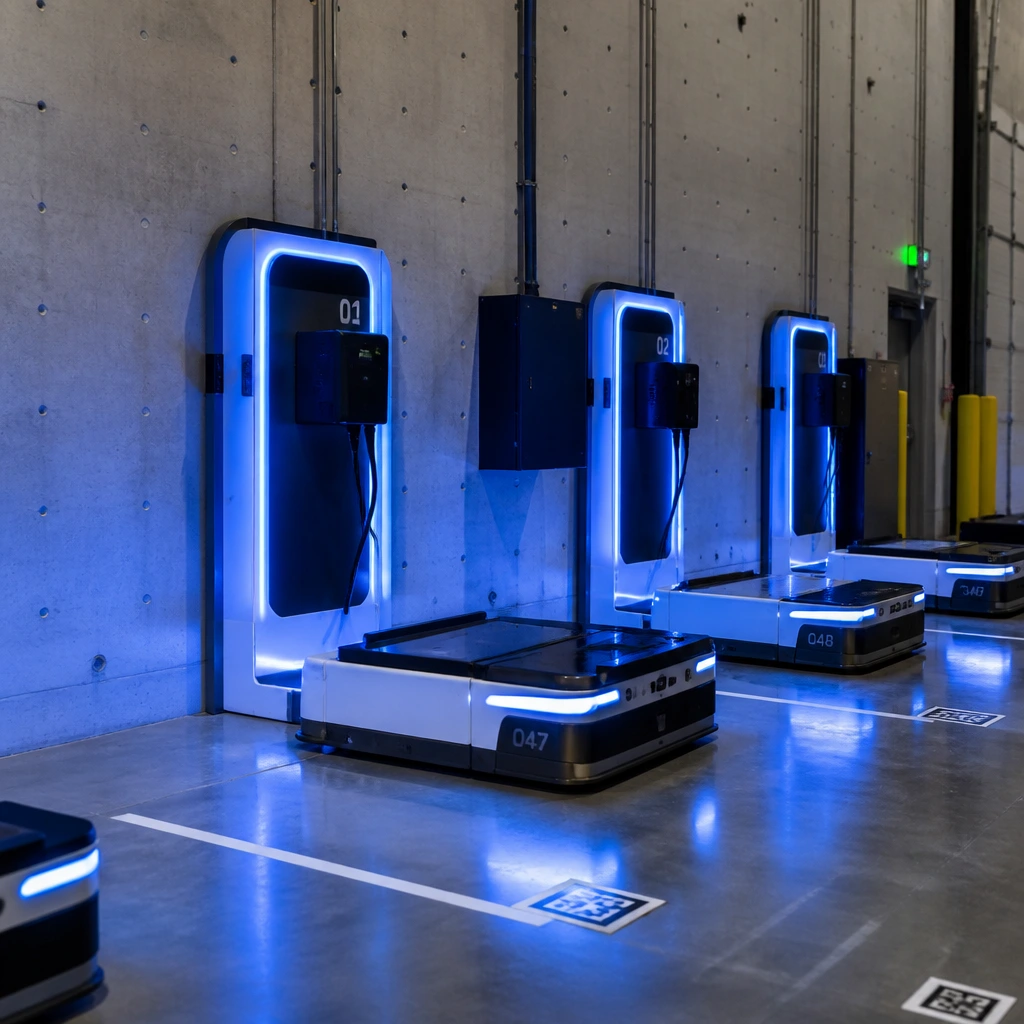
Entering the robotaxi business is vastly different from building a software marketplace or renting kitchen stalls. The autonomous vehicle industry requires navigating a complex labyrinth of regulatory hurdles, massive capital expenditures, and intricate artificial intelligence development. Yet, Kalanick’s operational playbook has always favored aggressive expansion and the disruption of legacy industries. While companies like Waymo and Tesla dominate the current conversation around autonomous driving, the missing link for many AV developers has been efficient, high-density physical infrastructure for vehicle maintenance, cleaning, charging, and staging.
- Strategic Real Estate: Kalanick’s extensive portfolio of urban industrial properties could serve as ideal micro-depots for robotaxi fleets.
- Logistics Synergy: Combining passenger robotaxis with high-volume food and retail delivery during off-peak hours maximizes asset utilization.
- Operational Agility: CloudKitchens’ data-driven approach to urban demand mapping translates seamlessly to predicting autonomous fleet positioning.
- Capital Reserves: Backed by substantial venture capital and sovereign wealth investment, Atoms possesses the financial runway required for hardware-heavy ventures.
These strategic advantages position Atoms uniquely within the broader mobility ecosystem. Rather than competing directly with foundational AI developers on neural network training, Kalanick's organization could act as the indispensable physical backbone that keeps autonomous fleets operational, fueled, and strategically stationed across dense metropolitan areas.
Synergy Between Dark Kitchens and Robotaxis
To truly understand the potential impact of Atoms entering the robotaxi market, one must examine the economics of urban delivery and passenger transport. Traditional restaurant delivery relies heavily on third-party aggregators and unpredictable gig-economy workers. By utilizing dedicated robotaxis and autonomous delivery pods originating directly from CloudKitchens facilities, operators can eliminate friction points at every stage of the fulfillment process. Food moves from the kitchen counter straight into a secure, climate-controlled autonomous compartment, reducing errors, lowering theft rates, and slashing delivery costs.
"The future of urban logistics belongs to those who control both the digital software layer and the physical real estate nodes where trips begin and end."
Furthermore, passenger transport and food delivery share a symbiotic relationship regarding vehicle utilization rates. A robotaxi utilized for human transit during morning and evening rush hours experiences significant idle time during mid-day and late-night periods. Repurposing these same autonomous platforms for high-volume urban cargo and food delivery during off-peak hours solves the primary economic hurdle of fleet management: asset depreciation. By keeping vehicles in constant motion, Kalanick's infrastructure model could achieve profit margins previously thought impossible in autonomous transportation.
Challenges and Regulatory Hurdles Ahead
Despite the compelling economics, launching a robotaxi initiative is fraught with monumental challenges. City governments remain fiercely protective of urban public spaces, often imposing strict zoning laws, testing permits, and operational caps on autonomous fleets. Additionally, public trust in driverless technology fluctuates wildly following safety incidents or traffic disruptions caused by autonomous test vehicles in major metropolitan areas. Atoms will need to prove that its operational framework can safely integrate with complex urban traffic grids without exacerbating congestion.
Moreover, competition in the robotaxi sector is fiercely contested by deeply entrenched technology conglomerates and well-funded automotive legacy manufacturers. To carve out a profitable niche, Kalanick cannot rely solely on past playbooks; the strategy must evolve to address the safety-critical nature of hardware deployment. Successfully bridging the gap between dark kitchen logistics and autonomous passenger transport will require unprecedented coordination between artificial intelligence systems, local municipal authorities, and rigorous hardware maintenance protocols.
The Future of Urban Mobility and Real Estate
As the boundaries between artificial intelligence, robotics, and real estate continue to blur, Travis Kalanick's Atoms stands at a fascinating crossroads. Whether the venture materializes as a direct operator of autonomous robotaxis or as the foundational infrastructure provider for third-party AV fleets, the implications for modern cities are profound. Urban planners must now anticipate a future where real estate developments are designed specifically with autonomous loading bays, vertical drone pads, and robotaxi staging zones in mind.
Ultimately, the pivot toward the robotaxi business signifies that Kalanick’s ambition to reshape how humans and goods move through physical space has not diminished. By leveraging existing real estate dominance and applying ruthless logistical efficiency to autonomous vehicle fleets, Atoms may once again redefine the contours of urban life. The transformation from cooking spaces to mobility hubs illustrates a broader paradigm shift: the future belongs to enterprises that seamlessly orchestrate the physical and digital worlds.