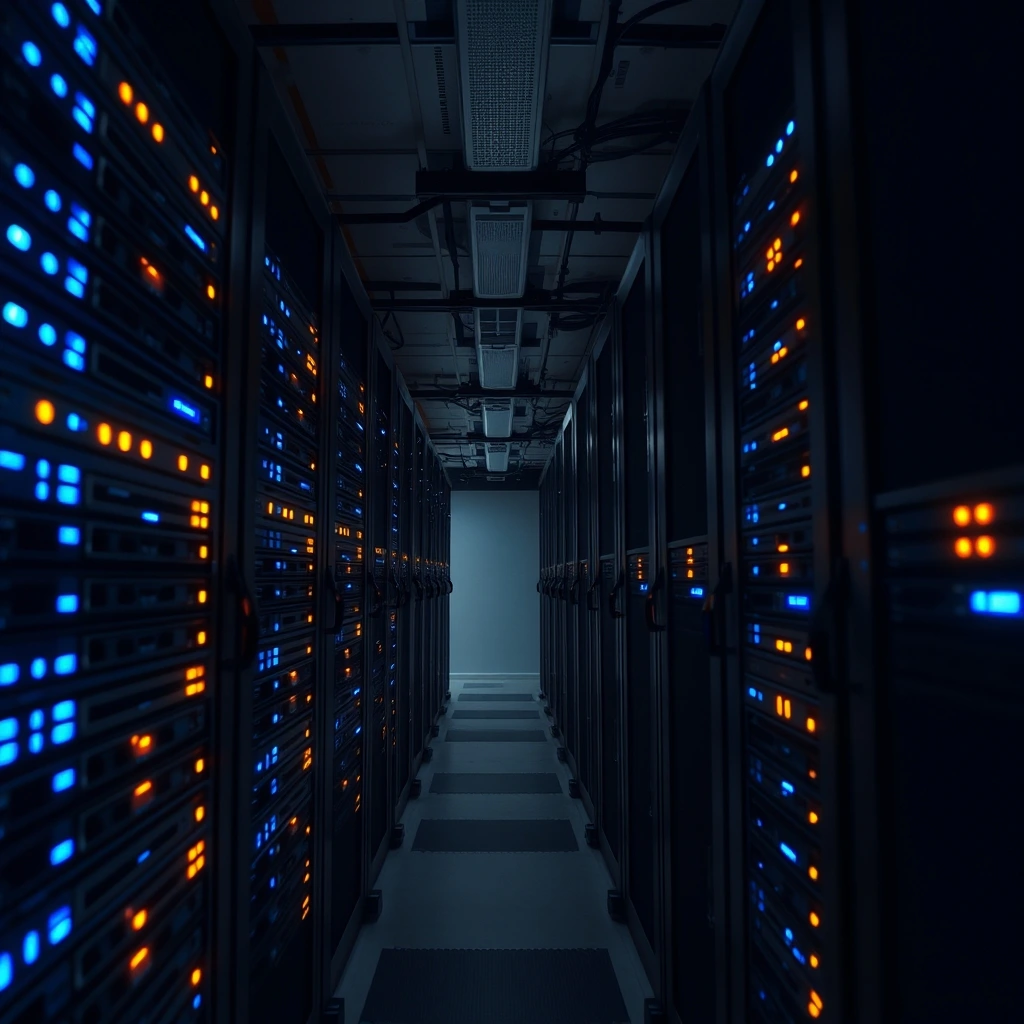
- Batch Is Dead: Real-time feature stores are replacing nightly ETL runs in production environments.
- Cost Explosion: Unoptimized cloud clusters burn thousands of dollars an hour on idle shuffle partitions.
- Storage Separations: Decoupled compute and storage layers are non-negotiable for predictable scaling.
Let us be candid: most modern data platforms are held together by duct tape, optimistic cron jobs, and silent prayer. When your streaming model drops half a gigabyte of telemetry data during a midnight spike, no architectural diagram saves you. You need ruthless engineering, brutal performance profiling, and an honest look at your cloud bill.
The Quiet Collapse of Traditional ETL
Data engineering has spent the last decade chasing bigger clusters. We threw compute at dirty data. We spun up sprawling warehouse instances because queries took twenty minutes. That strategy is officially dead.
Storage costs dropped, but processing costs skyrocketed. Modern pipelines demand active stream processing combined with zero-copy table formats like Apache Iceberg or Delta Lake. If you are still running rigid star schemas on legacy engines, you are paying a massive latency tax.
- Traditional batch windows no longer satisfy sub-second AI inference demands.
- Manual schema migrations frequently corrupt downstream feature stores.
- Monolithic transformation scripts become impossible to debug under load.
Decoding the Modern Cloud Architecture Stack
Here is what nobody tells you about moving to the cloud: native auto-scaling is a trap if your partition keys are garbage. You end up with single-threaded bottlenecks while paying for a thousand idle nodes.
Building resilient architectures requires separating state from compute completely. Kubernetes orchestration paired with stateless worker nodes changes the math. Yet, configuring garbage collection and memory limits for heavy machine learning workloads remains a dark art.
Stream Versus Batch: The Eternal Trade-Off
Lambda architectures promised the best of both worlds. In practice, maintaining dual codebases for batch and stream processing caused endless synchronization bugs. Kappa architecture simplified the mental model by treating batch as a special case of streaming.
Let's look at how these paradigms stack up in actual production environments.
| Aspect | Traditional Approach | Modern Solution |
|---|---|---|
| Latency | Hours to Days | Milliseconds to Seconds |
| Maintenance | Dual codebases (Batch + Stream) | Unified stream-first processing |
| Cost Profile | Spiky compute overhead | Predictable streaming footprint |
Designing for Failure From Day One
Pipelines fail. Disks corrupt, network partitions happen, and upstream APIs change without warning. Good systems expect chaos. Great systems survive it without waking you up at 3:00 AM.
Idempotency is your best defense. If a pipeline retries a failed batch, it must not duplicate records in the destination sink. Implement strict schema enforcement at the edge. Drop bad payloads immediately into a dead-letter queue rather than poisoning your primary data lake.
Always implement circuit breakers on external API ingestion tasks. A single hanging third-party endpoint can exhaust your worker thread pool and cascade failures across your entire cluster.
The Human Element in High-Scale Systems
Technology is rarely the primary bottleneck. Organizational silos between data engineers, data scientists, and DevOps teams kill momentum. Data scientists push unoptimized Python scripts directly into production. Engineers rewrite them from scratch in Scala. Everyone loses weeks.
Bridging this gap requires enforcing strict interface contracts. Use declarative configuration tools and automated integration tests for every single data transformation.
Frequently Asked Questions
Why do our cloud costs spike unexpectedly during large ETL runs?
Usually, this stems from poor shuffle operations and uncompressed intermediate states spilling to disk. Review your execution plans to identify where data is unnecessarily reshuffled across network nodes.
Is Apache Iceberg truly worth the migration effort?
Yes, if you deal with petabyte-scale datasets requiring ACID transactions, time travel queries, and schema evolution without full table rewrites. The initial migration pain pays off within months.