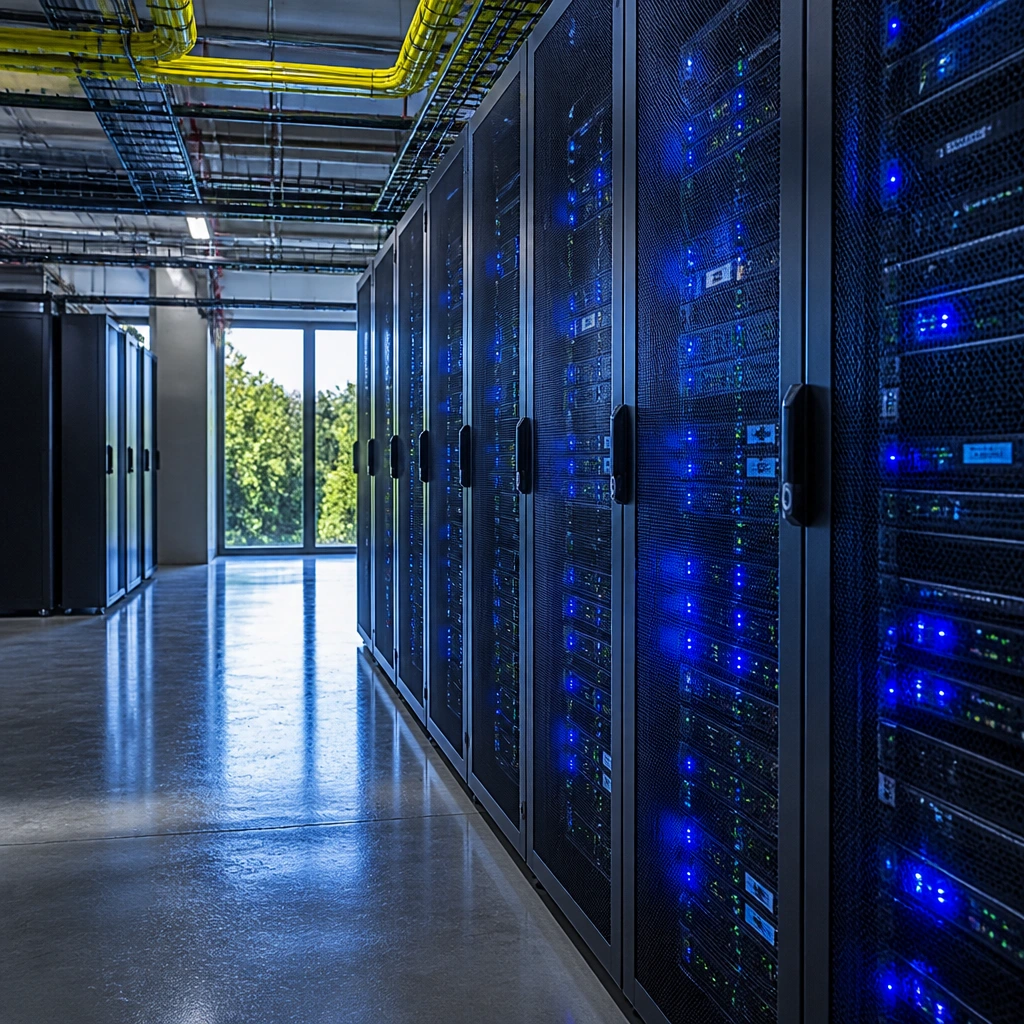
- Point 1: Sudden traffic spikes exposed hidden capacity bottlenecks in modern LLM architecture.
- Point 2: API integration resilience became an immediate priority for enterprise engineering teams.
- Point 3: Fallback routing strategies separated functional systems from total downtime.
Here is what nobody tells you about building infrastructure for generative artificial intelligence: scale is a hungry beast. On November 3, 2026, thousands of developers stared blankly at screens reading 'server busy' as DeepSeek chat and API services choked under an unprecedented wave of requests. Let's be candid—system outages happen. But when a dominant model stalls globally, it triggers a chain reaction across thousands of enterprise workflows. Why did it happen? More importantly, how do we survive the next surge?
The Anatomy of a Sudden Blackout
Traffic did not just grow gradually. It surged vertically. At peak hours, concurrent connections overwhelmed the backend clusters faster than auto-scaling scripts could provision new nodes. For years, practitioners treated LLM endpoints as infinitely elastic utilities. That illusion shattered instantly. When queues overflowed, error codes replaced responses, leaving automated agents hanging and human users frustrated.
- Inbound query volumes tripled within a forty-minute window.
- Inference nodes hit memory bandwidth limits globally.
- Rate-limiting mechanisms triggered cascading validation failures.
Why Your Fallback Strategy Failed
Most architectures assume primary APIs will respond eventually. That assumption is fatal. Relying on a single provider leaves your application naked when capacity vanishes. Engineers watched their microservices spin in endless retry loops, worsening the congestion. Resilience requires deliberate design, not blind hope.
Hardcode aggressive circuit breakers into your API client. If an endpoint throws consecutive busy signals for five seconds, drop traffic to a smaller local model immediately instead of hammering the recovering server.
The Numbers Behind the Gridlock
System monitoring dashboards lit up in crimson across every major tech hub. The sheer density of compute requests broke conventional load-balancing models.
Architecting for the Inevitable Surge
Building robust systems means planning for failure from day one. You cannot out-scale bad architecture.
| Aspect | Traditional Approach | Modern Solution |
|---|---|---|
| Routing | Single hardcoded API endpoint | Dynamic multi-provider fallback router |
| Retries | Immediate exponential backoff | Circuit breakers with jitter and local caching |
| Capacity | Reactive auto-scaling | Predictive provisioning based on traffic heuristics |
Frequently Asked Questions
Was the November 3 outage caused by a cyberattack?
Current telemetry points strictly to organic traffic spikes and hardware saturation rather than malicious interference.
How can small teams protect their apps from similar outages?
Implement multi-model abstraction layers that automatically route prompts to secondary models when primary services return busy indicators.