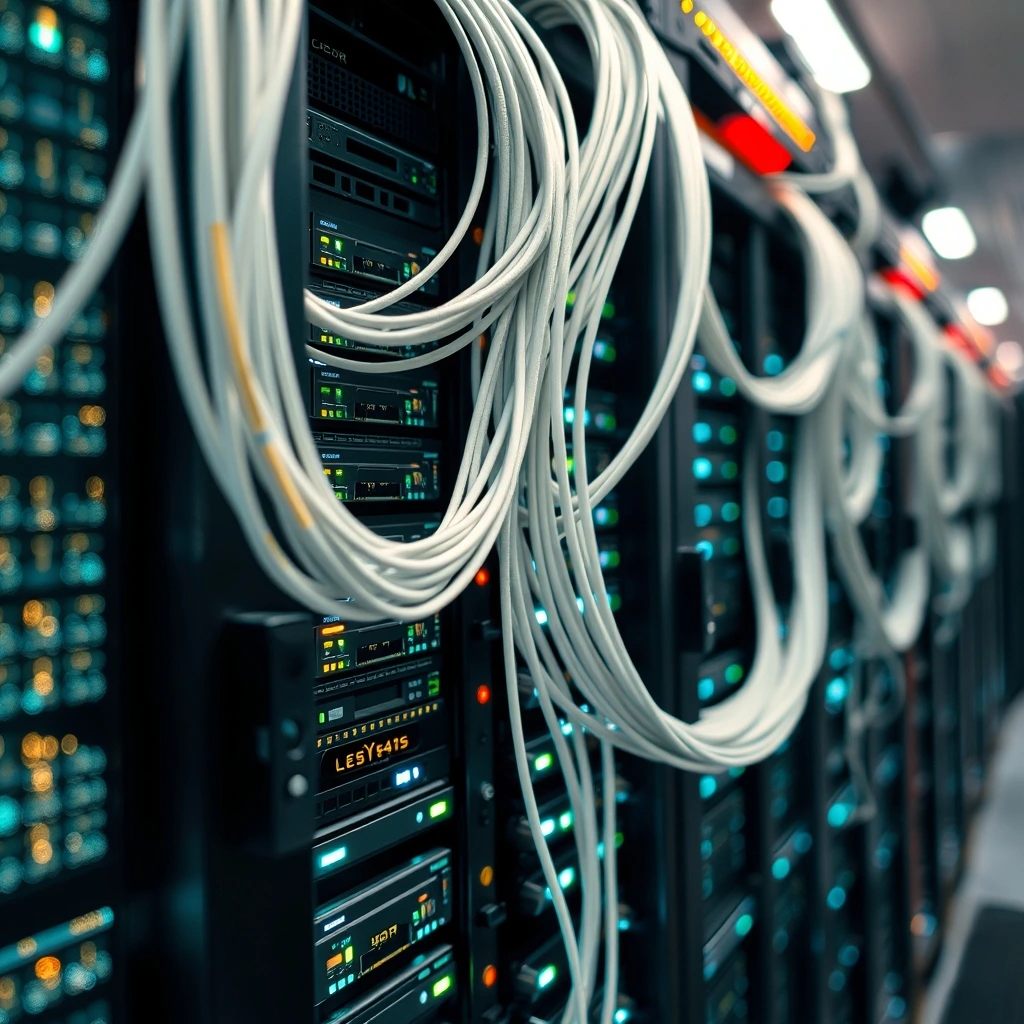
- Point 1: Terahertz frequencies will shrink network latency to microseconds, bridging the physical-digital divide.
- Point 2: Autonomous artificial intelligence agents will run industrial grids without human intervention.
- Point 3: Legacy infrastructure faces total obsolescence as spectrum demands shift dramatically.
Let's be candid: most corporate boardrooms are entirely unprepared for the reality of sixth-generation telecommunications. While engineers still argue over fifth-generation rollout costs, the horizon has already shifted toward sub-millisecond latencies and ubiquitous machine intelligence. Here is what nobody tells you about the coming infrastructure crash.
The End of Cable and the Rise of Terahertz
For decades, enterprise networking meant laying physical copper or fiber. That era is dying. Future networks rely on terahertz frequencies to push data rates previously confined to science fiction. We are talking about terabits per second. But high frequencies hate obstacles. Walls, furniture, and even heavy rain disrupt these signals. Engineers must rethink spatial computing and indoor routing from scratch.
- Frequencies shifting from gigahertz to the terahertz spectrum.
- Severe propagation challenges requiring intelligent reflecting surfaces.
- Massive densification of indoor micro-cells.
When Artificial Intelligence Runs the Switchboard
Humans are simply too slow to manage future networks. The sheer volume of data moving across decentralized nodes demands autonomous oversight. Machine learning algorithms will allocate bandwidth, predict hardware failures, and reroute traffic nanoseconds before a bottleneck forms. This is not automation as we knew it yesterday. This is closed-loop self-healing infrastructure.
Mapping the Telecommunications Shift
| Aspect | Traditional Approach | Modern Solution |
|---|---|---|
| Latency | Milliseconds (10ms - 50ms) | Sub-millisecond / Microsecond |
| Intelligence | Manual configuration and rules | Autonomous machine learning agents |
| Spectrum | Sub-6 GHz and millimeter wave | Terahertz bands and optical wireless |
The Hidden Vulnerabilities in High-Speed Grids
Speed creates fragility. When factories rely on live data streams operating at sub-millisecond speeds, a single glitch halts entire supply chains globally. Security cannot remain an afterthought bolted onto the hardware stack. Cryptographic protocols must evolve alongside the radio access network. Decentralized ledger systems and quantum-resistant encryption will dictate who survives a data breach.
Stop buying short-term hardware fixes. Audit your enterprise architecture today for spectrum compatibility and ensure your legacy databases can ingest streaming machine data without crashing.
Capital Allocation in an Era of Obsolescence
Chief Technology Officers face brutal budgeting choices. Do you patch the current fifth-generation deployment, or do you hoard capital for distributed intelligence frameworks? The smartest players are already decoupling their application layers from specific hardware vendors. Interoperability is the only shield against rapid technological depreciation.
- Prioritize software-defined networking over proprietary hardware boxes.
- Build modular applications that tolerate intermittent ultra-high-frequency drops.
- Partner with specialized academic labs pioneering terahertz hardware.
Frequently Asked Questions
When will real-world deployments actually begin?
Commercial trials are expected toward the end of this decade, though foundational research and spectrum allocation protocols are already being drafted by international regulatory bodies.
Will existing devices stop working when networks upgrade?
Legacy devices will remain functional on older spectrum bands for years, but mission-critical industrial applications will aggressively migrate to take advantage of low-latency terahertz channels.