- Point 1: AI replaces human-configured routing engines entirely.
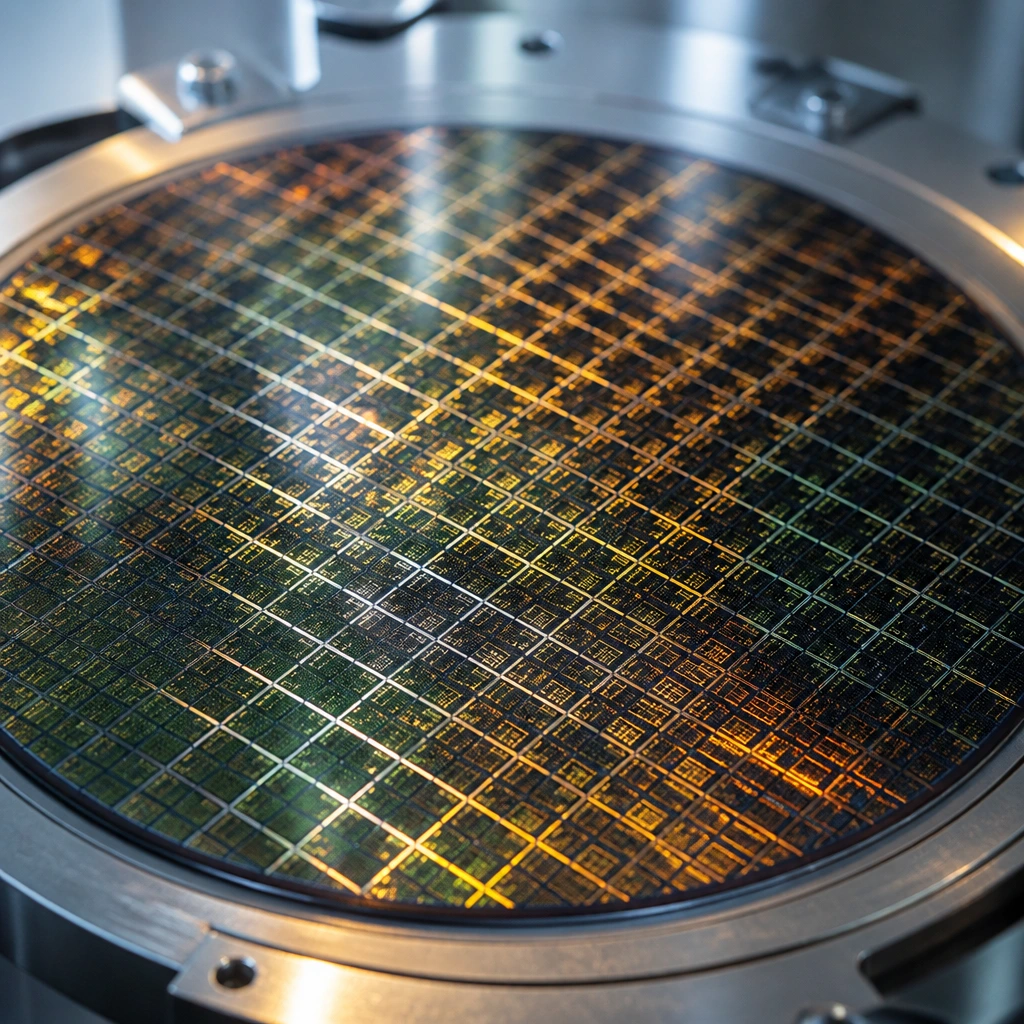
- Point 2: Terahertz frequencies demand completely new silicon architectures.
- Point 3: Edge computing shifts from an optional add-on to the core network topology.
Let us be candid: the marketing hype surrounding next-generation connectivity usually ignores the brutal physical reality of moving bits across the airwaves. Every telecommunications shift brings fresh promises. Yet, beneath the glossy corporate slides, engineers face a sobering truth. 5G deployment barely solved our congestion issues before architects began sketching the blueprints for its successor. Here is what nobody tells you about the coming infrastructure transition: hardware alone will no longer save us. Intelligence must become the network itself.
The Death of Dumb Pipes
For decades, telecom infrastructure operated on a simple principle. Towers transmitted radio frequency waves, and routers managed the resulting traffic packets. That separation worked fine when cell phones mostly carried voice calls and basic web pages. Today, that old model is dying a quiet death.
Autonomous vehicles, industrial automation, and immersive sensory environments demand microsecond responses. Traditional network architectures simply cannot adapt fast enough to handle shifting localized loads. Engineers now build native machine learning models directly into the base stations. Instead of waiting for centralized servers to adjust bandwidth allocations, individual nodes anticipate local demand spikes milliseconds before they occur.
- Distributed neural networks embedded directly in radio units
- Zero-touch provisioning driven by autonomous diagnostic loops
- Predictive spectrum sharing that eliminates manual frequency auctions
Terahertz Frequencies and the Physics Problem
Moving beyond millimeter waves into the terahertz band opens up massive bandwidth capacity. It also introduces a staggering engineering hurdle. These high-frequency signals attenuate rapidly when encountering physical obstacles. Raindrops scatter them. Brick walls block them entirely. If you want high throughput, the environment becomes your primary enemy.
To combat this, research laboratories focus heavily on intelligent surfaces. Think of these as smart wallpaper coated with thousands of microscopic antenna elements. They bend, focus, and reflect signals around physical barriers instead of brute-forcing through them. The network stops fighting the physical world and starts bending it to fit data packets.
Decoding the Architectural Shift
Transitioning from older generations to an AI-driven standard requires a total rethink of hardware and software dependencies. The table below outlines how fundamental assumptions are changing across the industry.
| Aspect | Traditional Approach | Modern Solution |
|---|---|---|
| Spectrum Allocation | Static licensing and manual tuning | Dynamic, AI-managed sharing |
| Core Processing | Centralized cloud data centers | Distributed edge intelligence |
| Failure Recovery | Human intervention and ticketing | Self-healing autonomous routines |
The Security Nightmare Nobody Discusses
More autonomy means more attack surfaces. When an algorithm automatically reroutes global traffic based on real-time telemetry, malicious actors target the algorithm, not the physical cables.
Traditional encryption protocols introduce processing overhead that destroys the latency gains we desperately need. Therefore, security architects deploy lightweight cryptographic primitives alongside hardware-level isolation. Every single data packet gets inspected by local anomaly detectors running on specialized neural processing units.
Do not wait for global standards bodies to finalize specifications before updating your edge hardware strategy. Build modular systems that can swap out machine learning inference chips as new protocols mature over the next five years.
Frequently Asked Questions
When will real networks actually deploy these technologies?
Commercial rollouts will likely begin around the end of this decade, though laboratory trials and specialized enterprise campus tests are already underway right now.
Will current devices work with the new infrastructure?
No. The shift to terahertz bands and native neural radio access requires completely new silicon designs that cannot be addressed through simple firmware updates.