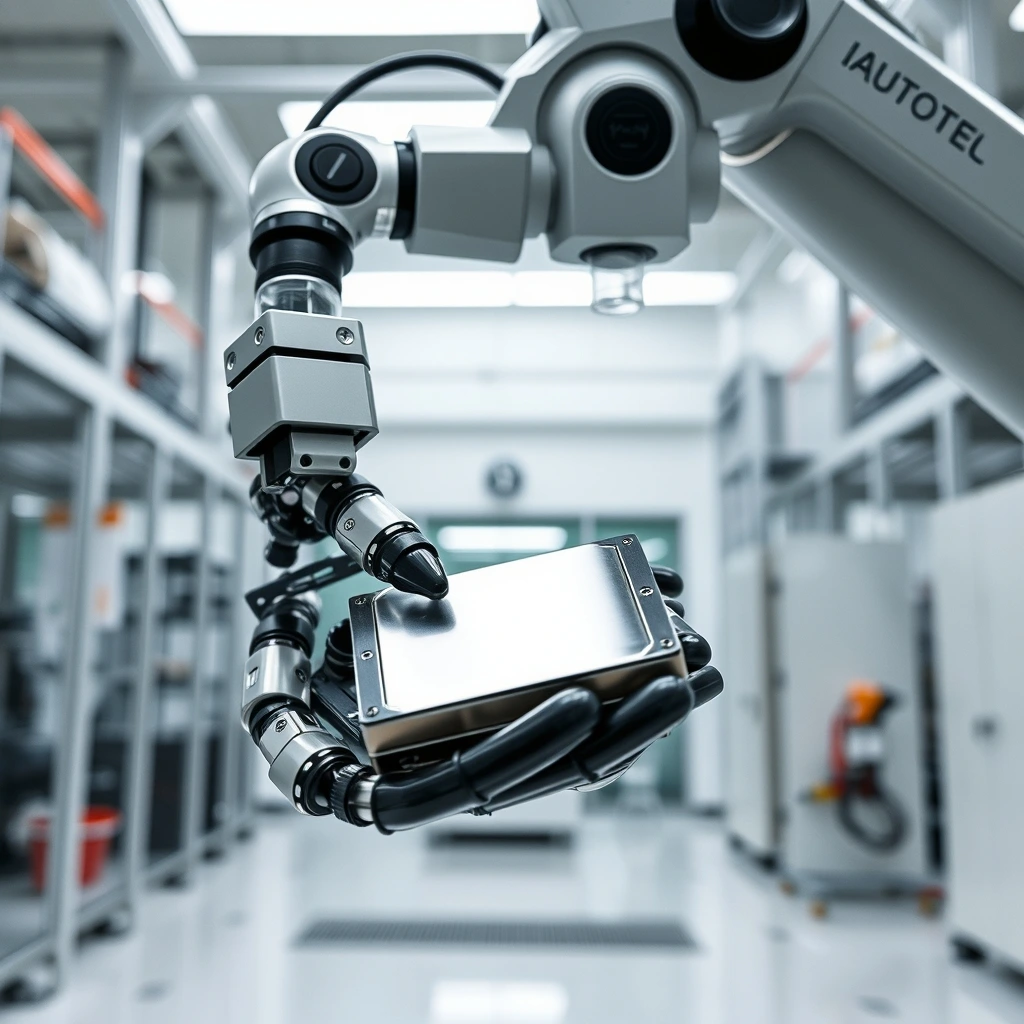
- Point 1: Solid-state cells ditch liquid electrolytes entirely, solving thermal runaway risks.
- Point 2: Machine learning accelerates materials discovery, bypassing decades of slow trial-and-error chemistry.
- Point 3: Supply chain bottlenecks remain the silent killer for commercial scale-up.
Lithium-ion batteries are hitting a physical wall. Everyone in the energy sector knows it, yet corporate boardrooms still pretend standard chemistry will power our electric future. Let's be candid: it won't. The push for next-generation solid-state batteries combined with smart grid algorithms is the only way out of this trap. But bridging the gap between laboratory breakthroughs and factory floors requires navigating a minefield of material science and computational hurdles.
The Silicon Ceiling and Why Liquid Must Die
Traditional energy storage relies on liquid electrolytes. They work, until they don't. Dendrites form, punctures cause fires, and degradation accelerates over time. Solid-state architecture trades that volatile liquid for a ceramic or polymer barrier. The result is pure density.
- Higher energy packed into a smaller physical footprint.
- Zero risk of flammable liquid leaks during extreme impact.
- Extended lifespan operating across brutal temperature swings.
Yet, manufacturing these solid layers at scale breaks traditional assembly lines. Ceramic separators crack under pressure. Production yields remain painfully low. Fixing this demands more than heavy engineering—it demands algorithmic precision.
When Machine Intelligence Meets Materials Science
Finding stable solid electrolytes used to take decades of trial and error in a white-coat laboratory. Today, computational modeling changes the rules. Algorithms simulate millions of atomic combinations overnight, predicting crystal stability before a single beaker is touched.
This convergence of compute power and electrochemistry creates a massive competitive divide. Companies relying on legacy laboratory methods are falling behind fast. Artificial intelligence acts as an automated compass in the dark world of quantum chemistry.
| Aspect | Traditional Approach | Modern Solution |
|---|---|---|
| Electrolyte | Volatile organic liquids | Ceramic or solid polymer matrices |
| Discovery Method | Manual lab trial and error | High-throughput AI atomic simulation |
| Thermal Safety | Prone to runaway fires | Inherently stable under high stress |
The Grid Integration Puzzle Nobody Talks About
Building a better battery solves half the problem. Getting it to talk to the power grid without causing massive instability is an entirely different nightmare. Renewable energy sources like solar and wind fluctuate wildly. Next-generation storage requires intelligent management systems capable of predicting demand spikes before they hit transformers.
Never judge a battery prototype by its peak laboratory voltage. Always demand third-party degradation metrics under continuous sub-zero and high-heat cycling conditions before committing capital.
Smart inverters integrated with edge computing handle micro-adjustments locally. They balance loads autonomously, preventing neighborhood grid crashes. Without this software layer, even the most advanced solid-state cell is just an expensive paperweight.
Standardization Battles on the Horizon
As dozens of startups race toward commercialization, a quiet war for industry standards has begun. Automated cell formatting, standardized housing dimensions, and recycling protocols are up for grabs. If manufacturers fail to agree on universal standards soon, recycling spent solid-state packs will turn into an ecological disaster.
- Unified casing specs for automated robotic disassembly.
- Transparent supply chain tracking for rare earth minerals.
- Standardized software protocols for battery management systems.
Frequently Asked Questions
When will solid-state batteries actually power consumer EVs?
Niche high-end applications are already rolling out small batches. However, high-volume automotive production hinges on solving ceramic manufacturing yields, putting widespread adoption realistically toward the late 2020s.
Does artificial intelligence completely replace human chemists in this space?
Not at all. Algorithms suggest viable molecular structures at unprecedented speeds, but human engineers still must validate synthesis pathways and physical manufacturing constraints in the real world.