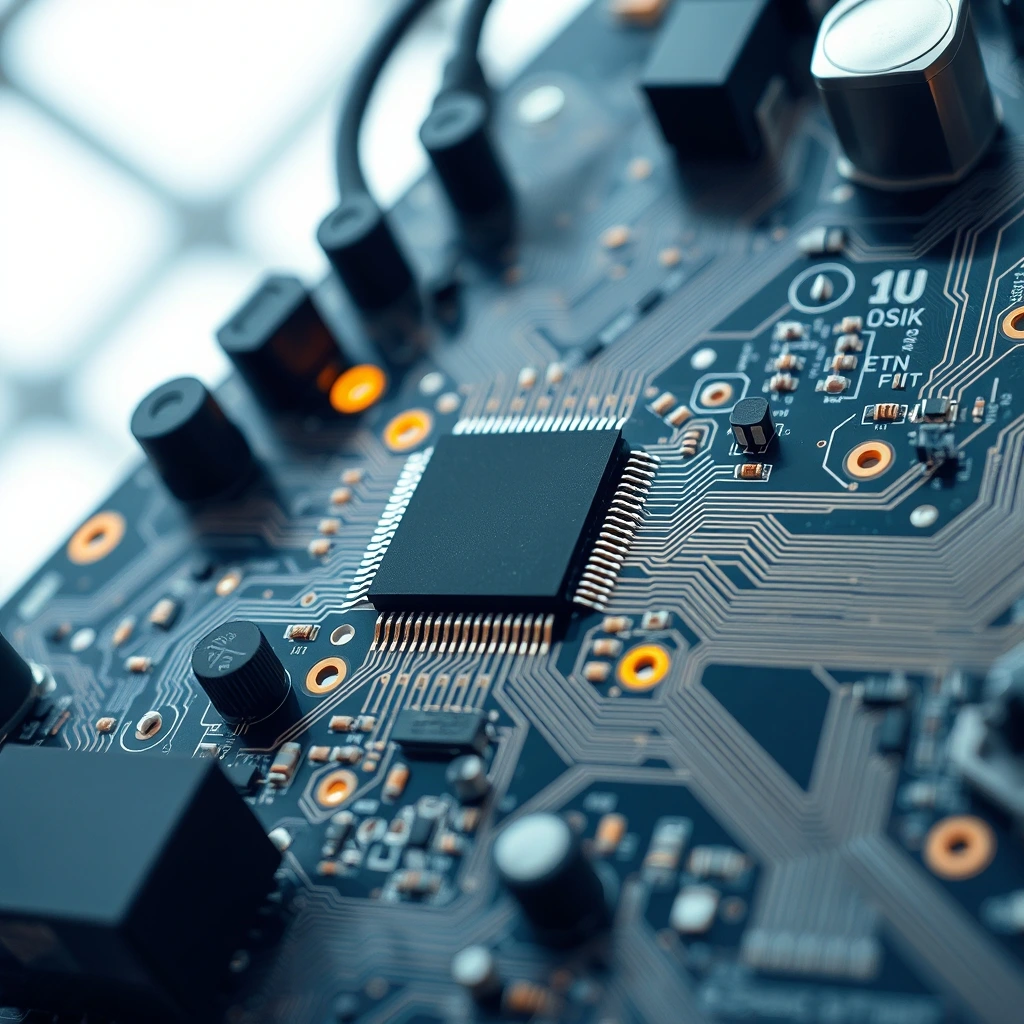
- Edge Intelligence: Processing data locally beats cloud dependency for latency and cost.
- Silicon Shift: Custom neural processing units are replacing generic microcontrollers fast.
- Ecosystem Fatigue: Consumers and enterprises are rejecting closed-loop smart devices.
Let us be candid: most smart device initiatives fail quietly in the prototype phase. They look brilliant on a pitch deck, yet they crumble the moment they face real-world network latency, intermittent Wi-Fi, and budget overruns. Building connected hardware today demands more than slapping a Wi-Fi chip onto a circuit board and calling it innovation.
The Death of Cloud-Centric IoT
For years, the playbook was simple. Build a cheap sensor, stream every byte of telemetry to a remote server, and let cloud giants crunch the numbers. That model is breaking under its own weight. Bandwidth costs add up. Privacy regulations tighten daily. Most importantly, waiting half a second for a cloud round-trip is unacceptable when an industrial actuator needs immediate correction.
- Local inference reduces bandwidth bills by up to ninety percent.
- Edge computing keeps mission-critical machinery operating during internet outages.
- User privacy improves drastically when raw audio and video never leave the living room.
Hardware architects are waking up to this reality. Instead of treating the edge as an afterthought, product teams now bake neural processing directly into silicon at the design stage.
Silicon Evolution and Specialized Chips
General-purpose microcontrollers had a good run. They ran simple loops, read temperature gauges, and blinked status LEDs. Modern smart ecosystems demand vastly heavier computational lifting. Machine learning models now run on coin-cell battery power.
Specialized low-power NPUs allow tiny devices to classify audio, detect anomalous motor vibrations, and recognize visual gestures without draining the battery in an afternoon. This changes the design calculus completely. Hardware teams must now hire embedded software engineers who understand model quantization and tensor pruning.
Do not buy custom silicon until your machine learning model is fully trained, quantized, and validated on representative edge hardware. Silicon respins are brutally expensive.
Breaking Open the Ecosystem Silos
Consumers hate having seven different apps to control seven different smart bulbs. Enterprises feel the exact same frustration with industrial machinery. Standards like Matter and Thread arrived to fix this mess, but adoption has been messy.
Interoperability is no longer a nice-to-have checklist item. If your connected device cannot talk to existing automation platforms out of the box, customers will bypass your hardware entirely. The winners in this space design for open APIs from day one.
| Aspect | Traditional Approach | Modern Solution |
|---|---|---|
| Connectivity | Proprietary radio protocols | Matter, Thread, and standardized BLE |
| Data Processing | 100% cloud-dependent telemetry | Local edge AI with selective cloud sync |
| Updates | Manual firmware flashes | Over-the-air differential updates with rollback |
The Security Burden on Hardware Builders
Security cannot be patched in at the end of a production run. Hackers treat cheap IoT nodes as open entry points into home and corporate networks. Regulatory bodies are finally putting teeth into this issue, introducing mandatory baseline security standards for connected devices.
- Secure bootloaders are mandatory to prevent unauthorized firmware modifications.
- Hardware-level root of trust chips protect cryptographic keys from physical extraction.
- Automated patch pipelines must be established before the first unit ships to retail.
Where the Smart Money Is Moving
Capital is flowing toward hardware startups that solve boring, gritty infrastructure problems. Energy monitoring, predictive maintenance in manufacturing, and local environmental sensors are outperforming novelty consumer gadgets.
Investors are tired of smart toasters. They want robust, reliable embedded systems that solve real operational headaches without creating massive security liabilities.
Frequently Asked Questions
Should we build our own custom RTOS or use an existing open-source kernel?
Unless your hardware has extremely niche real-time constraints that defy conventional design, building a custom operating system is a massive waste of capital. Lean on battle-tested open-source kernels like FreeRTOS or Zephyr, and focus your engineering talent on your core application logic.
How do we handle long-term firmware support for devices with multi-year lifecycles?
Plan your software maintenance budget at the exact same time you budget for component sourcing. A device deployed in a factory for ten years requires a dedicated update pipeline, robust cryptographic key rotation, and backward compatibility for third-party integrations.