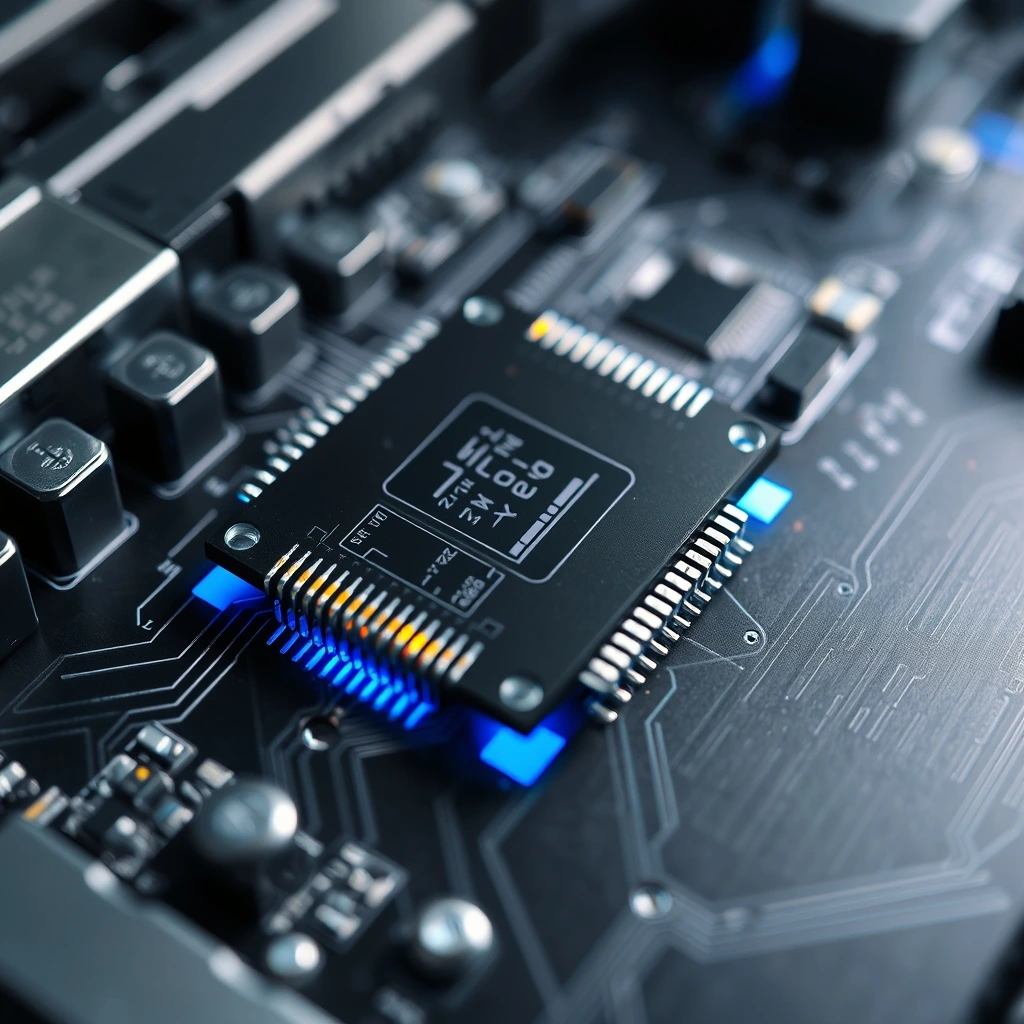
- Edge Processing: Local neural chips are replacing clunky cloud round-trips for routine sensor tasks.
- Protocol Consolidation: Matter and Thread are finally eliminating the fragmented hub wars of the early 2020s.
- Energy Scavenging: Ambient power harvesting is keeping unattended IoT sensors alive for decades without battery swaps.
Let us be candid: your smart home is a disaster area of competing apps, dropped Wi-Fi signals, and midnight firmware updates that break basic lighting logic. We were promised frictionless automation years ago. Instead, we got a brittle collage of cloud-dependent gadgets that throw tantrums the second fiber internet blips. But 2026 marks a quiet, aggressive pivot. Silicon engineers have stopped waiting for cloud giants to fix the latency lag. They are shoving actual artificial intelligence directly into the silicon.
The Silicon Shift From Cloud Dependency to Edge Autonomy
For a decade, the industry pursued a lazy architecture. A cheap temperature sensor grabbed data, pushed that payload across your router to a distant server farm, waited for an algorithm to chew on it, and eventually sent a command back to adjust your thermostat. That loop took seconds. Sometimes minutes. Worse, it created massive security vulnerabilities.
Today, tiny neural processing units sit comfortably inside sub-ten-dollar microcontrollers. These chips evaluate sensor streams right at the exact physical point of collection. Your kitchen smoke detector no longer yells for help because it smelled burnt toast from three rooms away; it analyzes the chemical signature locally, decides it is a minor culinary mishap, and ignores it. That distinction sounds boring until you live with it. It means zero latency, improved privacy, and absolute resilience against broadband outages.
Matter, Thread, and the Death of Proprietary Silos
Interoperability used to be a marketing buzzword designed to trick buyers into sticking with a single ecosystem. Buy Brand A, and Brand B hardware refuses to talk to it. The sheer friction of this setup stalled mainstream adoption for years. Consumers grew tired of managing five different smartphone applications just to dim the living room bulbs.
The landscape has shifted dramatically thanks to open protocol stabilization. Devices now speak native Thread and Matter out of the box, carving secure mesh networks across walls without taxing your primary Wi-Fi router. Look at how standard smart plugs interact with climate sensors now:
| Aspect | Traditional Approach | Modern Solution |
|---|---|---|
| Data Routing | Centralized cloud servers | Local edge mesh networks |
| Setup Time | Proprietary apps and account creation | Proximity-based auto-discovery |
| Failure Impact | Total system outage during internet drop | Zero disruption to local routines |
Energy Scavenging and the End of the Battery Drawer
Changing batteries in fifty smart sensors around your property is a chore everyone hates. It creates a hidden maintenance tax that kills consumer enthusiasm. Hardware manufacturers realized that if embedded IoT was ever going to scale past hobbyists, devices had to stop needing human intervention for power.
Enter ambient energy harvesting. Modern embedded designs scavenge tiny amounts of juice from indoor light, ambient radio frequency signals, and subtle temperature differentials. A window sensor placed on a south-facing pane now runs indefinitely on captured solar photons. A vibration sensor bolted to a water pipe generates its own electrical current from the rushing fluid. We are stepping into an era of zero-maintenance hardware.
Do not buy hardware promising future software updates to enable local edge processing. If the current silicon lacks an onboard neural engine or dedicated machine learning accelerator, it will bottleneck your entire mesh network once heavier local routines launch next year.
Security by Isolation: Protecting the Physical Perimeter
When every appliance in your house possesses a microchip, your attack surface explodes. Hackers do not need to crack your laptop when your connected toaster runs an unpatched operating system from 2023. The industry learned this lesson the hard way through massive distributed denial-of-service attacks launched from compromised home appliances.
The modern fix is radical physical isolation. Embedded firmware now utilizes secure enclaves and hardware root-of-trust chips that prevent unauthorized firmware flashing. If a rogue device attempts to communicate outside authorized local subnets, the local border router severs its connection instantly.
Frequently Asked Questions
Do I need to replace all my existing smart devices right now?
No. You can bridge legacy devices using modern multi-protocol border routers. However, expect older cloud-dependent gadgets to lose functionality as manufacturers slowly sunset support servers.
How does local AI processing impact electricity bills at home?
Negligibly. Modern edge microcontrollers draw microwatts of power during inference tasks, consuming far less electricity than leaving a single traditional lightbulb on for an extra minute.